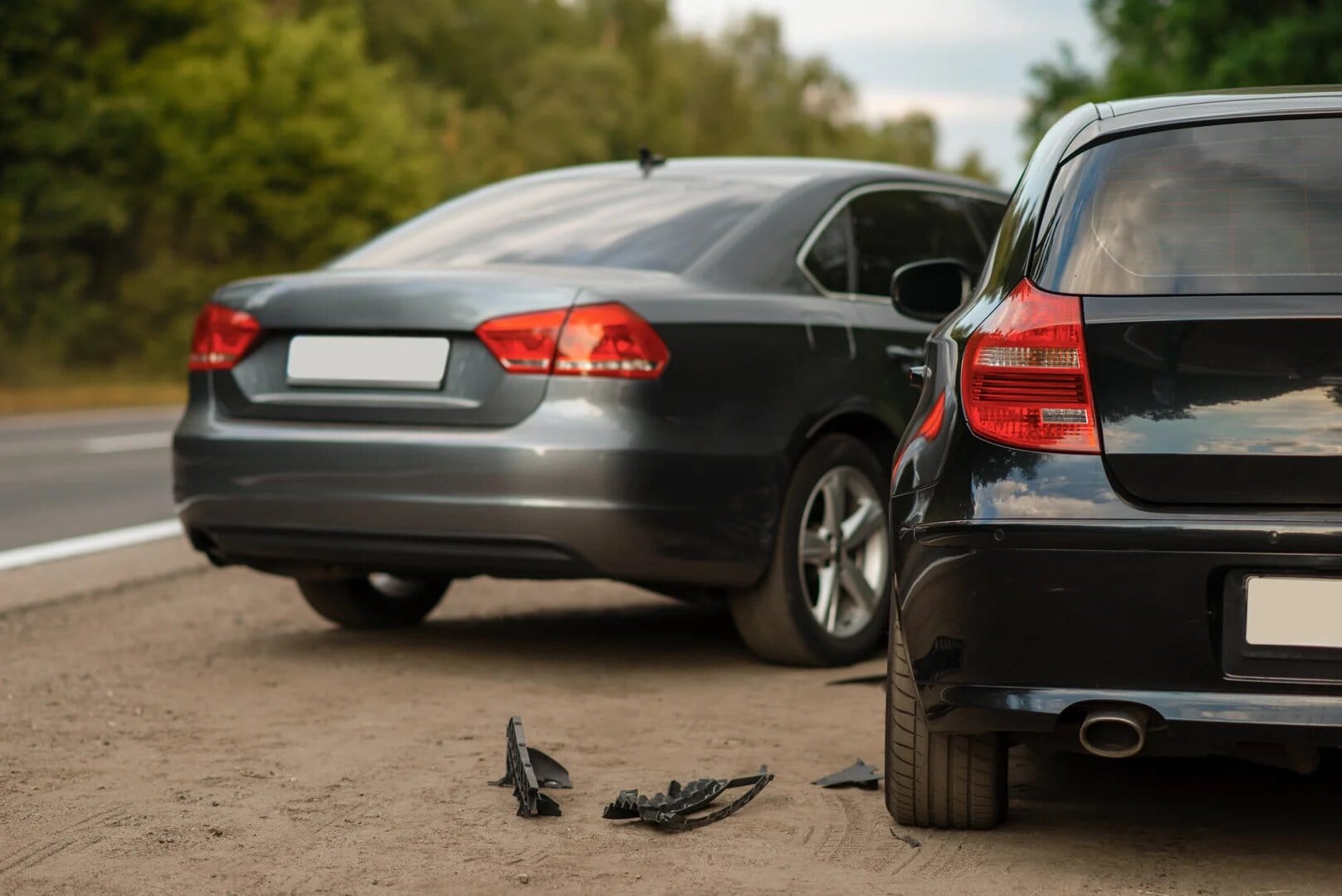
Third-Party Negligence Claims in New Orleans
When Someone Else’s Actions Put You in Harm’s Way
A car crashing through the wall of a busy New Orleans restaurant is the kind of event that raises an immediate legal question: when a third party — someone with no connection to a business or its customers — causes injury or property damage through their own negligence, who is responsible? In Louisiana, the answer usually comes down to a third-party negligence claim, a legal theory that holds an at-fault individual (not the property or business where the harm occurred) accountable for the damage their actions caused to innocent bystanders.
What Happened at the Olive Branch Cafe
On May 20, 2026, a driver lost control of a white sedan on General De Gaulle Drive in the Algiers neighborhood of New Orleans, according to Fox8/WVUE. The vehicle reportedly struck two concrete barriers at a nearby gas station before crashing through the front wall of the Olive Branch Cafe at 5145 General De Gaulle Dr.
Restaurant owner Rusty Autry told Fox8 the crash happened around 2:50 p.m., while roughly 15 diners and staff members were inside. “It’s a miracle no one was hurt,” Autry said. “It’s a miracle no one died.” The dramatic moment was captured on the restaurant’s interior security camera.
According to Fox8, New Orleans police said the driver and a few patrons were taken to the hospital with minor injuries. The driver was cited for reckless operation of a motor vehicle, and the cause of the crash remains under investigation, police said. The restaurant has been forced to close indefinitely for inspections and repairs.
No one associated with this incident is a client of our firm, and nothing in this article should be read as commentary on any individual’s specific legal situation.
Third-Party Negligence: The Legal Framework in Louisiana
When a driver’s own carelessness — not a hazard on someone else’s property — causes injury to bystanders, the applicable legal theory is ordinary negligence against that driver, not premises liability against the property owner. To succeed on a negligence claim in Louisiana, an injured person generally must show four things:
- Duty — the driver owed a duty to operate the vehicle safely and avoid unreasonable risk to others.
- Breach — that duty was breached (a citation for reckless operation of a motor vehicle, if it stands, can be strong evidence of a breach, though it is not automatically dispositive of civil liability).
- Causation — the breach caused the harm.
- Damages — the injured party suffered actual, compensable harm (medical bills, lost wages, business losses, pain and suffering, or property damage).
Business owners can also pursue their own negligence claims for property damage and lost income when a third party’s actions — like a vehicle crashing into a storefront — damage their premises, separate from any claims their patrons or staff might have.
Comparative fault: Louisiana follows a pure comparative fault system (La. Civ. Code art. 2323), meaning damages are apportioned according to each party’s percentage of fault. In a fact pattern like this one, patrons and staff inside a restaurant have no ability to contribute to a driver losing control outside, which is why bystander injury claims of this type tend to be more straightforward than crashes involving multiple drivers.
Time limits to file: Louisiana’s prescriptive period (the state’s term for a statute of limitations) for most negligence-based personal injury claims is currently two years from the date of injury, under La. Civ. Code art. 3493.1, following a 2024 change from the prior one-year rule.
Algiers and the General De Gaulle Corridor
The Olive Branch Cafe sits on General De Gaulle Drive, a major commercial corridor running through Algiers on the West Bank of New Orleans, not far from the Behrman neighborhood and within a short distance of the Crescent City Connection linking Algiers to the CBD and French Quarter across the Mississippi River. General De Gaulle Drive carries a steady mix of local traffic, commercial vehicles, and drivers accessing nearby retail and dining — the kind of corridor where a single moment of lost control can affect people who did nothing more than sit down for lunch.
Frequently Asked Questions
Can I sue a driver who crashed into a building I was inside of?
Generally, yes. If a driver’s negligence caused a vehicle to strike a building and injure people inside, those injured parties may have a negligence claim against the driver, separate from any relationship they have with the property owner.
Does the restaurant or business owner have a claim too?
Yes. A business owner can typically pursue their own claim for property damage, repair costs, and lost income resulting from a driver’s negligence, in addition to any claims from injured patrons or staff.
What does it mean that the driver was “cited for reckless operation”?
A citation reflects a law enforcement officer’s assessment at the scene. It can support a civil negligence claim, but it is a traffic citation, not a civil liability determination — the civil claim still has to be proven separately.
How long do I have to file a personal injury claim in Louisiana?
Louisiana’s current prescriptive period for most negligence claims is two years from the date of injury, though exceptions can apply.
What if I was a customer or employee inside the business when the crash happened?
Bystanders with no connection to the vehicle generally are not at fault for a crash caused by someone else’s driving, which can make these claims more straightforward than multi-vehicle collision cases.
Do I need a lawyer if the driver was already cited by police?
A citation doesn’t resolve a civil claim for damages, medical bills, or lost income. Many people consult an attorney to understand what compensation may be available separately from any traffic case.
What should I do if I was injured or my business was damaged in a crash like this?
Document the scene and damage if it’s safe to do so, seek medical attention even for injuries that seem minor, obtain a copy of the police report, and consult an attorney before discussing the incident with an insurance adjuster.
About Justin Reese
Justin Reese is a New Orleans trial attorney and the son of Judge Kern Reese. Raised in New Orleans, Reese practices with Alexander Shunnarah Trial Attorneys and has represented families across the region in personal injury and car accident matters. According to the firm’s own materials, he has recovered significant compensation for families navigating difficult circumstances, and he is also known locally as a Bravo TV personality, real estate developer, and community leader.
If You’ve Been Hurt Through No Fault of Your Own
If you or a loved one has been injured — or your business has suffered damage — because of someone else’s negligent driving, you may have options for pursuing compensation, separate from anything a citation or police report already covers. This applies whether you were a driver, a passenger, a pedestrian, or simply inside a building when someone else’s negligence intervened.
Contact J. Reese Law Group for a free consultation to discuss your situation: (504) 360-9227.
Justin Reese was born and raised in New Orleans, and he brings that same hometown commitment to every family he represents. If you’re navigating the aftermath of an accident that wasn’t your fault, his team is here to listen and help you understand your options — no pressure, no call center, just straight answers.