


Fighting for Injured Industrial Workers Across Greater New Orleans
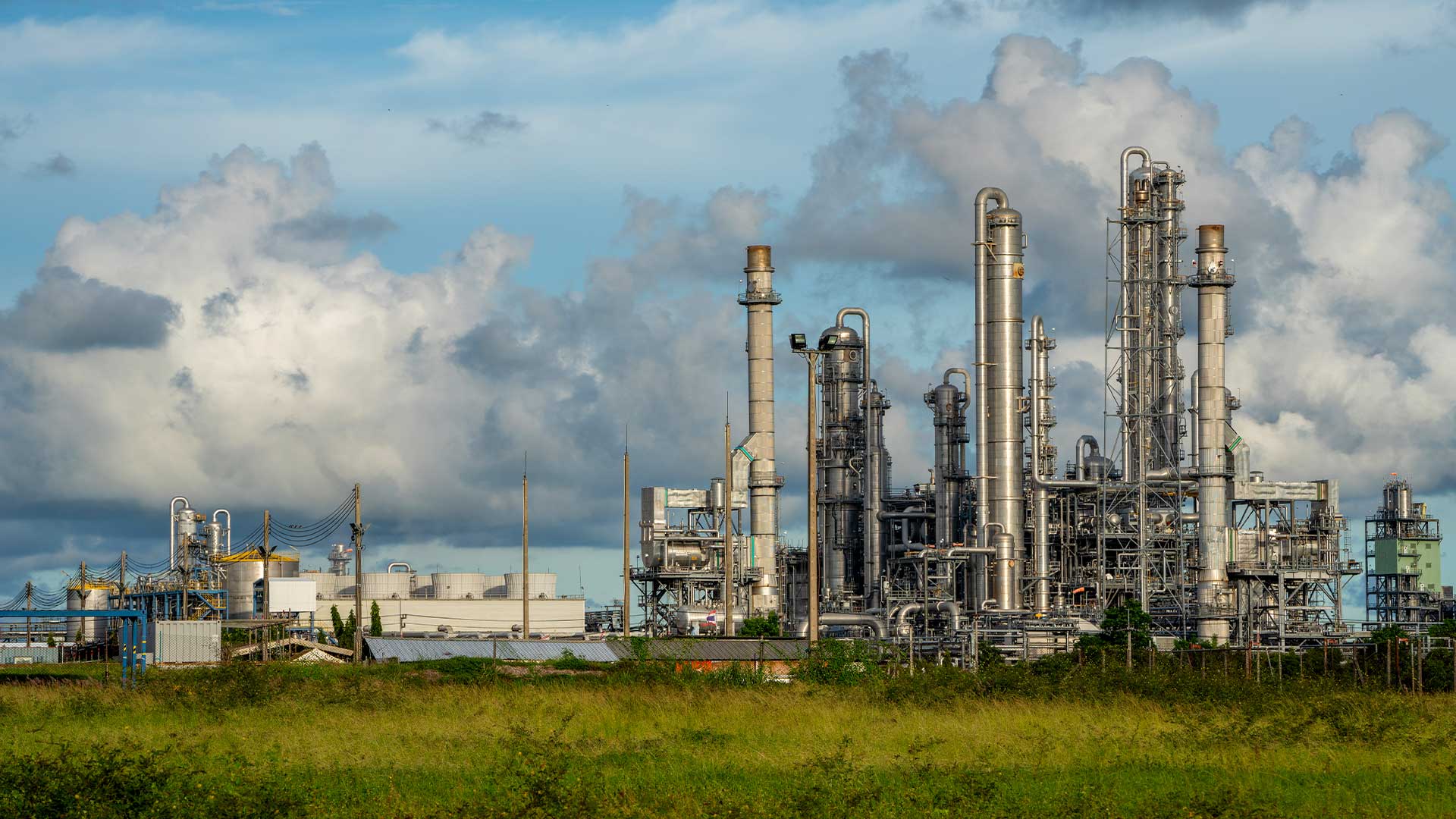
The energy corridor stretching across Greater New Orleans and up the Mississippi River powers the nation — but it demands an immense toll from the men and women who keep these plants running. When corporations prioritize speed and production quotas over safety protocols, the consequences are devastating.
A single malfunctioning valve, an uninspected pipeline, or a delayed maintenance cycle can cause catastrophic explosions, fires, and toxic exposure that permanently alter lives and destroy families.
If you or a family member suffered life-altering injuries on the job, you do not have to confront a massive chemical corporation or their insurance adjusters alone. Justin Reese Law Group stands ready to take legal action on your behalf — unearthing the evidence of corporate neglect to secure the financial recovery your family needs to move forward.
Common Causes of Petrochemical & Industrial Incidents
Refinery operations require thousands of moving parts, thousands of miles of pressurized pipe, and precise chemical balances. When a catastrophic failure occurs, plant owners often try to deflect blame onto individual workers or subcontractors. Deep investigations regularly reveal that systematic failures and corporate negligence are the true causes.
Mechanical Failures & Lack of Maintenance
Refineries run continuously, creating immense wear and tear on heavy machinery. When plant management delays scheduled turnarounds or ignores signs of metal fatigue and corrosion, ruptured lines, blowing gaskets, and cracked seals release superheated hydrocarbons — causing instant fires and catastrophic flash explosions.
Inadequate Safety Training & Staffing Shortages
To maximize profits, some operators run lean crews or rush temporary contract workers into complex environments without proper safety training. When workers are forced to pull double shifts, exhaustion leads to misread gauges, delayed responses to alarms, and fatal operational errors.
Failure to Follow Lockout/Tagout Protocols
During maintenance and plant turnarounds, lines carrying hazardous chemicals or high-voltage electrical current must be completely isolated and de-energized. When management fails to enforce strict lockout/tagout procedures, maintenance workers face sudden exposure to lethal electrical shocks, boiling liquids, or toxic gas releases.
Subcontractor Communication Failures
Major industrial facilities utilize dozens of third-party contractors simultaneously. If the primary plant operator fails to coordinate these crews or fails to warn external workers about live hazards in nearby units, cross-contamination of work tasks can spark an industrial catastrophe.
Natural Disasters & Weather Events
The Greater New Orleans region is highly susceptible to hurricanes, tropical storms, and flash flooding. These events can damage plant infrastructure, cause power grid failures, and disrupt stable operations. Refinery operators have a legal duty to adequately secure their facilities against known regional weather threats.
OSHA Violations & Regulatory Non-Compliance
Federal and state safety regulations are not suggestions — they are legal obligations. When plant management bypasses OSHA guidelines on equipment safety, hazard communication, or PPE requirements to prioritize production speed, they create a workplace primed for disaster and full legal liability.
Refinery Incidents & Their Devastating Impact
Industrial accidents rarely result in minor injuries. The sheer force and toxicity involved in petrochemical production cause severe, life-altering trauma that permanently impacts your ability to work and support your family.
Plant Explosions & Flash Fires
When pressurized gas lines rupture, the escaping vapors find an ignition source instantly. The resulting blast waves tear down scaffolding, collapse steel structures, and cause widespread devastation. Workers caught in the blast radius experience severe impact injuries, internal organ damage from atmospheric pressure changes, and profound trauma.
Toxic Chemical Releases & Gas Inhalation
Refineries utilize and produce highly toxic substances including hydrofluoric acid, benzene, hydrogen sulfide, and chlorine gas. A leaking seal or broken valve can release a cloud of toxic vapor across an entire unit within seconds — causing severe respiratory tract burns, permanent lung damage, and long-term chemical illnesses that manifest years later.
Thermal & Chemical Burns
Flash fires cause deep, extensive thermal burns that require immediate treatment at specialized burn centers. Chemical leaks cause deep tissue damage that destroys muscle and nerve endings — often leaving severe scar tissue and permanently limiting physical mobility and function.
Structural Collapses & Falling Objects
With extensive networks of overhead pipes, multi-story distillation towers, and heavy scaffolding structures, refinery workers face constant risks from falling debris. Structural failure due to poor engineering or corrosion can bring tons of steel down onto workers below — causing crushed limbs, severe fractures, and traumatic head injuries.
Severe Injuries Sustained in Louisiana Refinery Accidents
Surviving a plant disaster is only the beginning of a lifelong battle. The physical injuries sustained in these environments require extensive medical intervention, multiple surgeries, and long-term rehabilitative care — and the financial consequences are equally catastrophic.
Third & Fourth-Degree Burns
Requiring extensive skin grafting, pain management, and physical therapy to address debilitating contractures — often spanning years of treatment and multiple reconstructive procedures.
Traumatic Brain Injuries
Caused by explosive blast waves, falls from high platforms, or being struck by flying industrial debris — resulting in long-term cognitive impairment, memory loss, and personality changes.
Respiratory System Destruction
Chronic obstructive conditions, chemical pneumonitis, and permanent lung scarring caused by inhaling toxic gas clouds — conditions that may not fully manifest until years after the exposure.
Amputations & Crushed Limbs
Resulting from structural collapses, heavy equipment rollovers, or entanglement in unshielded machinery — injuries requiring immediate amputation and years of prosthetic adaptation and rehabilitation.
Spinal Cord Injuries
Leading to partial or total paralysis after falling from refinery towers, ladders, or poorly secured scaffolding — requiring lifelong medical care, home modifications, and personal assistance.
Hearing Loss
Caused by high-decibel industrial explosions or chronic exposure to unshielded heavy machinery — permanent hearing damage that affects quality of life and future employability.
Navigating Third-Party Personal Injury Claims
Many injured workers believe they are restricted solely to workers' compensation benefits after an on-the-job incident. While workers' compensation provides basic medical coverage and a portion of lost wages, it rarely covers the true financial toll of a catastrophic injury — and it provides zero compensation for physical pain and emotional suffering.
Workers' Comp Is Not Your Only Option
In Louisiana, while you generally cannot sue your direct employer due to workers' compensation immunity laws, you can pursue a third-party personal injury lawsuit if your injuries were caused by a negligent third party. In a complex refinery setting, pursuing a third-party claim allows you to recover full financial damages — including total lost earning capacity, future medical costs, and non-economic damages for physical pain, mental anguish, and loss of enjoyment of life.
Equipment Manufacturers
If a valve, pressure gauge, pump, or safety system failed due to a manufacturing or design defect, the company that built the equipment can be held strictly liable under Louisiana products liability law — regardless of the employer's role in the accident.
Independent Contractors & Subcontractors
If another company performing work on the site created a hazardous condition — an improperly built scaffold, a poorly managed electrical line — that caused your injury, you can sue that specific company for negligence directly and independently of your workers' comp claim.
Property Owners & Premise Operators
If the facility owner failed to warn workers about hidden, pre-existing hazards on the site that were unrelated to your immediate job duties, they may face separate premises liability claims — an additional avenue of recovery beyond the workers' comp system.
How Justin Reese Law Group Builds a Winning Industrial Accident Case
Industrial corporations move quickly to protect their interests after an accident. Within hours of an explosion or chemical leak, corporate defense teams, insurance adjusters, and private investigators are on-site gathering evidence to minimize liability and shift blame to the workers. You need an equally aggressive legal team working for you immediately.
Securing Vital Corporate Evidence
We file emergency motions and send formal spoliation letters to preserve critical evidence before it can be altered or destroyed — capturing data from plant control loops, black box logs, internal safety memos, maintenance records, shift logs, and internal email communications regarding the compromised unit.
Site Inspections & Technical Reconstructions
We partner with independent safety investigators, chemical engineers, metallurgical analysts, and accident reconstruction professionals to inspect the scene, examine failed components, and pinpoint the exact point of failure — establishing clear corporate negligence.
Interviewing Essential Eyewitnesses
We locate and interview coworkers, contract laborers, and eyewitnesses who can testify to the conditions inside the plant leading up to the disaster — including whether safety warnings were raised and ignored by plant management.
Utilizing Federal Regulatory Investigations
We track and utilize findings from investigations launched by OSHA and the U.S. Chemical Safety and Hazard Investigation Board (CSB) — using their factual discoveries and citations to reinforce your civil case and establish the standard of care that was violated.
Seeking Full Compensation for Your Long-Term Losses
A severe refinery injury impacts every aspect of your life — your ability to work, your ability to provide for your family, and your physical and mental wellbeing. Our legal team meticulously calculates the full extent of your losses so that we can demand an appropriate settlement or present a compelling case to a jury.
Medical Expenses
Emergency transport, ICU stays, specialized burn treatments, multiple surgeries, medical devices, and lifetime prescription access — past and future.
Lost Wages & Earning Capacity
If your injuries prevent you from returning to refinery work, we pursue the total lifetime income and retirement benefits you would have earned — not just what you've already lost.
Vocational Rehabilitation
If physically possible, the cost of retraining for alternative employment after a career-ending injury — including schooling, certification programs, and job placement services.
Pain & Suffering
Compensation for the daily physical agony, sleep disruptions, and permanent physical limitations caused by your injuries — damages that workers' compensation does not cover.
Mental Anguish & PTSD
The profound psychological trauma, anxiety, and depression that frequently follow surviving a terrifying industrial explosion or chemical disaster — real damages that deserve full compensation.
Loss of Enjoyment of Life
Compensation for the permanent inability to participate in the family activities, hobbies, and daily life experiences you had before the accident took everything from you.
Regional Trauma & Burn Centers for Industrial Accident Victims
If you are involved in a major industrial accident, receiving immediate, high-level medical treatment is your absolute priority. The Greater New Orleans area features specialized medical centers equipped to handle severe trauma, chemical exposure, and complex burn injuries.
University Medical Center (UMC)
2000 Canal St, New Orleans, LA 70112 — the region's dedicated Level 1 Trauma Center and a highly specialized Burn Center equipped to treat the most severe thermal and chemical burn injuries.
Ochsner Medical Center
1514 Jefferson Hwy, New Orleans, LA 70121 — a major tertiary care hospital capable of treating complex internal injuries, respiratory failures, and neurological trauma from industrial accidents.
Tulane Medical Center
Located in downtown New Orleans — offering comprehensive emergency medical services and specialized pulmonary care for toxic inhalation victims from refinery and chemical plant incidents.
Directions to Justin Reese Law Group
Office Address: 320 Huey P Long Ave., Suite 200, Gretna, LA 70053 — conveniently located just across the river from downtown New Orleans, easily accessible from the Westbank, the East, and the CBD.
From Downtown New Orleans (CBD)
- Take the Crescent City Connection (US-90 Business West) across the Mississippi River.
- Take the exit toward Huey P Long Ave / Gretna.
- Continue onto the Westbank Expressway frontage road.
- Turn right onto Huey P Long Ave. Our office is at 320 Huey P Long Ave., Suite 200 on your right.
From Metairie / Kenner
- Take I-10 East toward New Orleans.
- Follow signs for the Westbank / US-90 W.
- Cross the Crescent City Connection.
- Exit toward Huey P Long Ave / Gretna and turn right onto Huey P Long Ave.
From the Lower Westbank
- Take the Westbank Expressway (US-90 Business East) toward Gretna.
- Exit at Huey P Long Ave.
- Turn left onto Huey P Long Ave under the expressway.
- Our office is at 320 Huey P Long Ave., Suite 200 on your left.
New Orleans Refinery Accident FAQ
Yes. You can file a lawsuit if a third party — someone other than your direct employer or a direct co-worker — caused your injuries. In refinery settings, this frequently includes third-party maintenance contractors, equipment manufacturers who supplied defective parts, or independent safety inspectors who failed to identify a clear hazard. Pursuing a third-party lawsuit allows you to seek compensation for damages not covered by workers' compensation, including full pain and suffering and complete replacement of lost future wages.
In Louisiana, you generally have one year from the exact date of the accident or toxic exposure to file a formal civil lawsuit against the responsible parties — known as the prescriptive period. Failing to file within this window usually results in permanent forfeiture of your right to seek financial recovery. Because building these cases requires extensive evidence collection, it is vital to contact legal counsel immediately after the incident.
Never sign a settlement agreement, release form, or accept a cash offer without having an independent lawyer review it first. Early settlement offers are almost always lowball estimates designed to resolve the claim before the full, long-term extent of your medical needs and economic losses are truly known. Once you accept a settlement, you waive your right to ask for more money — even if your injuries require additional surgeries or prevent you from ever working again.
Contract workers retain full legal rights to seek a safe workplace. If you are a contractor injured due to the refinery operator's poor maintenance, unsafe protocols, or due to another contracting company's errors, you have strong grounds to pursue a substantial third-party personal injury claim against those specific entities — separate from and in addition to any workers' compensation you may be entitled to receive.
Contact a New Orleans Oil Refinery Accident Lawyer Today
If you or a family member has been injured in a refinery explosion, chemical release, or industrial accident, do not face a massive corporation's legal team alone. Justin Reese Law Group is ready to investigate, preserve evidence, and fight for the full financial recovery your family deserves. Free consultation — no fees unless we win.
Get Your Free Case Review → No fees unless we win · We come to you · Available 24/7