Who Is Legally Presumed at Fault in a Left-Turn Crash on Belle Chasse Highway?
Louisiana law generally places the initial responsibility on the motorist who turns left across traffic, but the final allocation can change when evidence shows the other driver violated a traffic rule or could have avoided impact.
Louisiana’s turn-safety rule, La. R.S. 32:104, requires a turn to be made with reasonable safety. La. R.S. 32:122 also requires a driver turning left to yield to approaching traffic that is close enough to be an immediate hazard.
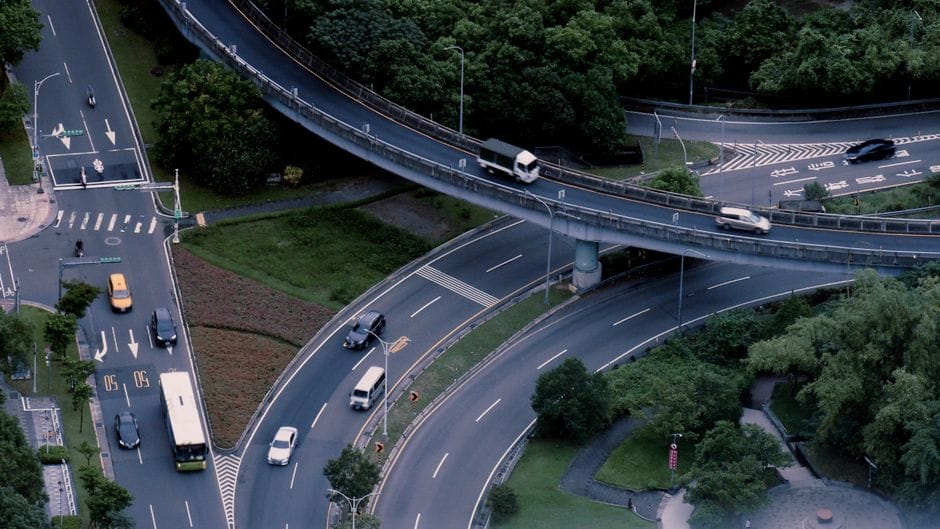
On Belle Chasse Highway, also known as LA-23, the analysis often depends on the intersection, signal phase, vehicle speed, and available video. A National Highway Traffic Safety Administration report identifies left turns as the critical pre-crash event in 22.2 percent of intersection crashes.
The turning driver starts at a disadvantage, but the police report is not the last word. Evidence can show that the oncoming driver also contributed to the collision.
That presumption is not automatic proof that one driver caused every part of the crash. Investigators still compare the distance between vehicles, traffic conditions, roadway design, braking evidence, and each driver’s actions immediately before the impact.
Those details matter in close cases.
When Can an Oncoming Driver Share Fault for a Belle Chasse Highway Left-Turn Crash?
An oncoming driver may share fault when reliable evidence shows speeding, distraction, a red-light violation, poor visibility, or another unsafe act. The left-turning driver still has a duty to yield, but Louisiana’s comparative-fault rules allow responsibility to be divided when both drivers contributed.
A Louisiana State Police report describes a fatal LA-23 crash in Belle Chasse in which a driver turning left crossed into the path of an oncoming vehicle. That local report illustrates why investigators focus on the turn, the lane of travel, and the evidence available at the scene.
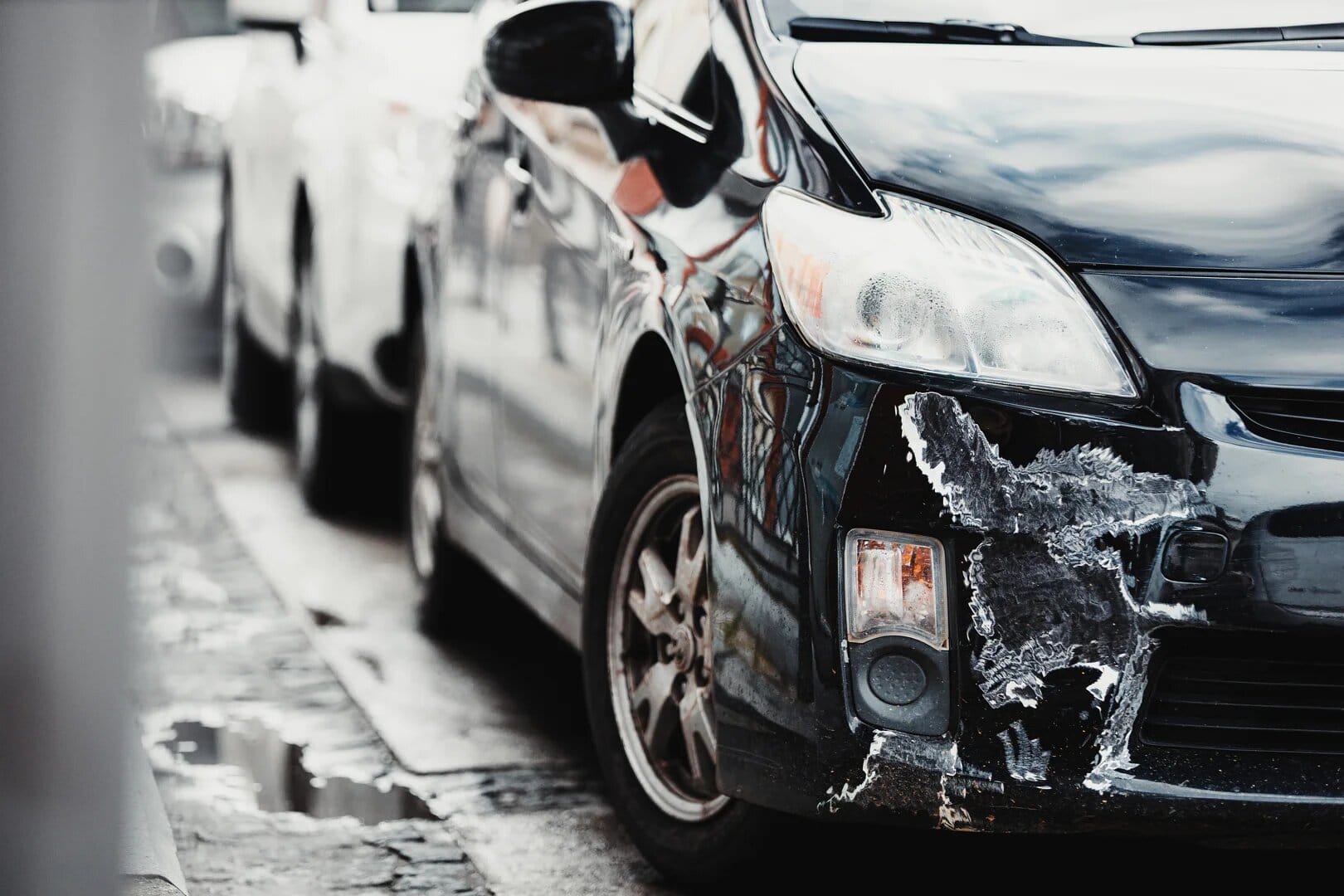
A citation for failure to yield can be important evidence, but it does not automatically decide a civil claim. Video, witness accounts, vehicle damage, phone records, and crash-data downloads may reveal whether the approaching driver also had time and space to avoid the impact.
Louisiana’s pure comparative-fault system reduces recovery by a person’s share of fault rather than automatically barring a claim. For that reason, a careful review should begin before surveillance footage and electronic data disappear.
For example, a driver who enters on a late yellow or red signal, travels too fast for conditions, or looks away from the road may reduce the left-turning driver’s share of fault. The evidence must support that conclusion.
That is why early fact gathering can change the analysis.
What Evidence Can Prove Liability After a Left-Turn Collision on LA-23?
The strongest left-turn claim is built on objective evidence collected quickly. A crash report, photos, video, witness contacts, and vehicle data can help show the signal phase, the drivers’ speeds, the point of impact, and whether either driver had a safe opportunity to avoid the collision.
Useful evidence may include. For context on how fault can affect recovery, see why Louisiana personal injury cases are different.
- Police reports and scene diagrams from Louisiana State Police or the Plaquemines Parish Sheriff’s Office.
- Dashcam, business-surveillance, or traffic-camera footage showing the signal and traffic flow.
- Vehicle event-data recordings that may document braking, speed, steering, and throttle input.
- Witness statements and photographs showing lane positions, debris, damage, weather, and sightlines.
- Phone or dispatch records when distraction is a reasonable issue.
Do not assume an insurer will gather this material for you. Preserve what is available, avoid changing or repairing the vehicle before it is documented, and ask for a legal review when fault is disputed. An early reconstruction review can connect the damage pattern, roadway layout, and electronic data to the sequence of events, helping distinguish documented facts from an insurer’s assumptions about who caused the crash.
Keep copies of every document and avoid relying only on memory. A time-stamped photograph, a saved video file, or the name of a nearby business with cameras can become important when the parties give different versions of the collision.
Small details can make a material difference in a disputed claim.
How Do Traffic Signals Affect Fault at a Belle Chasse Highway Intersection?
A protected green arrow usually gives the turning driver the right of way, while a solid green light or flashing yellow arrow requires the driver turning left to yield. The actual signal phase, not a driver’s assumption, is often central to determining fault after a crash.
A driver with a protected green arrow may have a strong claim if an oncoming vehicle entered against a red light. In contrast, a driver making an unprotected left turn generally must wait until approaching traffic has cleared or there is a safe gap.
Signal timing can be especially important on LA-23, where multi-lane approaches and commercial traffic can make closing speeds difficult to judge. A protected vs. unprotected left-turn overview explains why the signal phase matters. Footage from nearby businesses, traffic cameras, or dashcams can be more persuasive than conflicting recollections.
If a flashing yellow arrow was active, the turn was permissive rather than protected. That does not make the turning driver automatically liable, but it makes proof of the other driver’s conduct especially important.
Drivers should not rely on a signal color they remember seeing after impact. The signal sequence, the location of the vehicles, and the testimony of neutral witnesses may clarify whether the turn was protected or permissive.
That context can prevent an incomplete fault assessment.
What Deadlines Apply to a Louisiana Left-Turn Accident Claim?
Louisiana injury claims have strict filing deadlines, and the right deadline depends on the facts and the type of claim. Acting early helps protect both the claim and the evidence because video systems, vehicle data, and witness memories can be lost long before a deadline arrives.
For many injury claims, Louisiana’s prescriptive period is one year from the accident date. Exceptions can apply, so an injured person should obtain advice based on the crash date, the parties involved, and the losses claimed.
Early action also supports a more accurate liability analysis. A lawyer can request preservation of video, inspect the vehicles, and identify whether a government agency, business, commercial vehicle, or third party may hold relevant records.
For additional practical steps after a collision, see what to do after a car accident in Louisiana.
A prompt review also helps identify insurance coverage and preserve records held by third parties. Waiting can make it harder to locate witnesses or obtain recordings that may later be overwritten.
This supports an informed legal review.
What Should You Do After a Left-Turn Crash on Belle Chasse Highway?
First, get medical help, call 911, and move to a safer location if possible. Then document the scene and exchange information without debating fault. Prompt medical care and clear documentation can protect both health and a potential claim from the start.
- Photograph the vehicles, signal, lanes, debris, and visible injuries.
- Ask witnesses for names and contact details.
- Request the crash-report number and keep all medical and repair records.
- Avoid recorded statements or broad fault admissions before reviewing the facts.
- Seek legal guidance quickly if the crash involved serious injuries, disputed fault, or commercial traffic.
An intersection accident attorney Gretna LA can review the facts, identify missing evidence, and explain the next steps. This is particularly useful when the insurer relies on the initial presumption against the driver who turned left.
If injuries prevent you from collecting information, ask a passenger, family member, or trusted friend to help preserve records. Keep notes about symptoms, appointments, missed work, and conversations with insurance representatives.
These records can simplify later follow-up.
Frequently Asked Questions About Belle Chasse Highway Left-Turn Accidents
Can an oncoming driver be 100 percent at fault?
Yes. That may happen when evidence shows the oncoming driver entered on a red light, drove at an extreme speed, or otherwise made the crash unavoidable for a turning driver with a protected signal.
Does a failure-to-yield ticket end the case?
No. A ticket can be persuasive, but insurers and courts can consider all available evidence. Louisiana may allocate fault between both drivers when each person’s conduct helped cause the collision.
What compensation may be available after a left-turn crash?
Depending on the facts, a claim may seek medical expenses, lost income, vehicle damage, and pain and suffering. Any recovery may be reduced by the injured person’s assigned share of fault.
When should I contact a lawyer?
Contact a lawyer as soon as possible after a serious crash or a dispute about fault. Justin Reese, Esq. is a Louisiana personal-injury attorney whose background includes trial advocacy and civil litigation. J Reese Law Firm can evaluate the available evidence and explain options in a confidential consultation.
A consultation is most useful when it happens before important evidence is lost or an insurer asks for a statement. Bring the crash-report number, photographs, medical information, and insurance correspondence if they are available.
This preparation lets the lawyer focus on the facts, identify urgent preservation needs, and explain whether further investigation is appropriate.
Contact J Reese Law Firm today to discuss a Belle Chasse Highway left-turn crash.