How a New Orleans Property Damage Claim Attorney Can Protect Your Payout
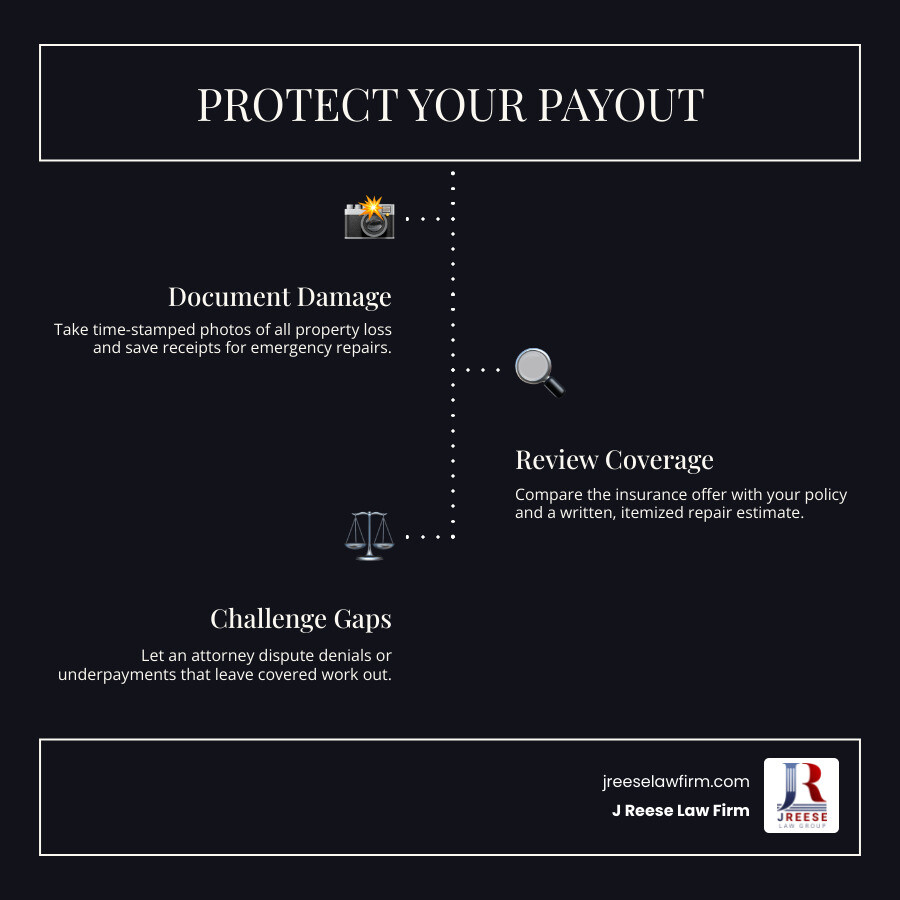
Before accepting an insurance offer, photograph the damage, prevent further loss, save your receipts, and ask for a written, itemized repair estimate. A property damage claim attorney can compare that estimate with your policy and the cost of repairs, then challenge a denial or payment that leaves covered work out. Hiring one may save you money when the gap between the offer and the documented loss is larger than the cost of legal help.
I’m Justin Reese. My work in civil litigation, including auto collision and complex claims, informs how I approach the evidence and disputes a property damage claim attorney may need to address.
Property damage claim attorney further reading:
Immediate Steps to Take After Suffering Property Loss in Louisiana

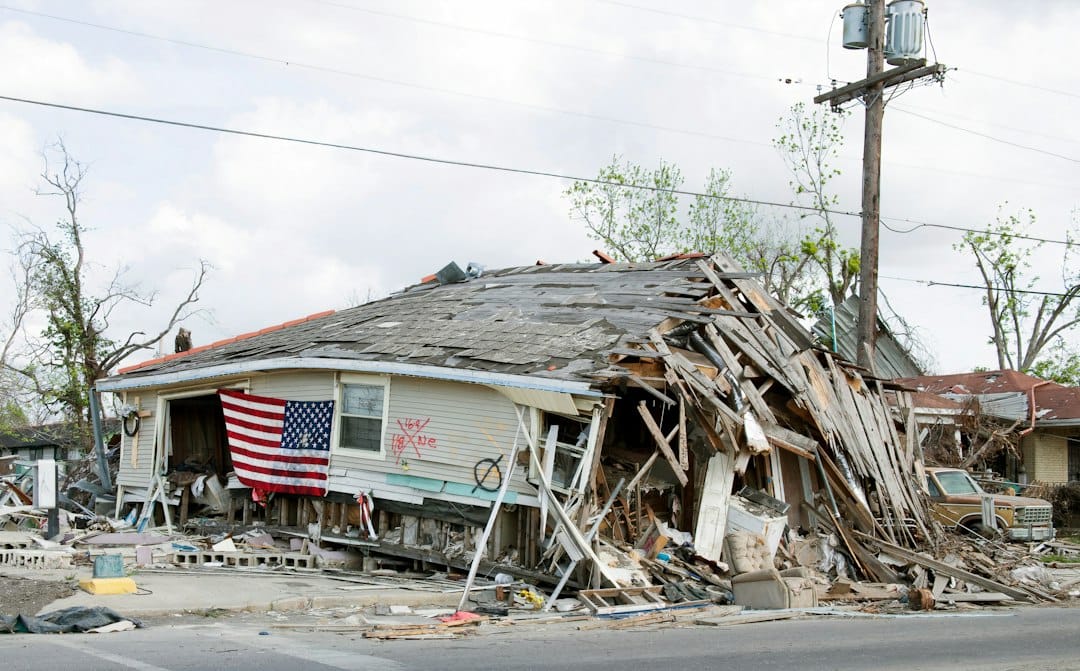
When disaster strikes a home, vehicle, or commercial building in Louisiana, the hours immediately following the event are crucial. Insurance carriers look closely at the actions a policyholder takes right after an incident. Taking the wrong steps—or failing to act quickly—can give an insurer an excuse to reduce a payout or deny a claim altogether.
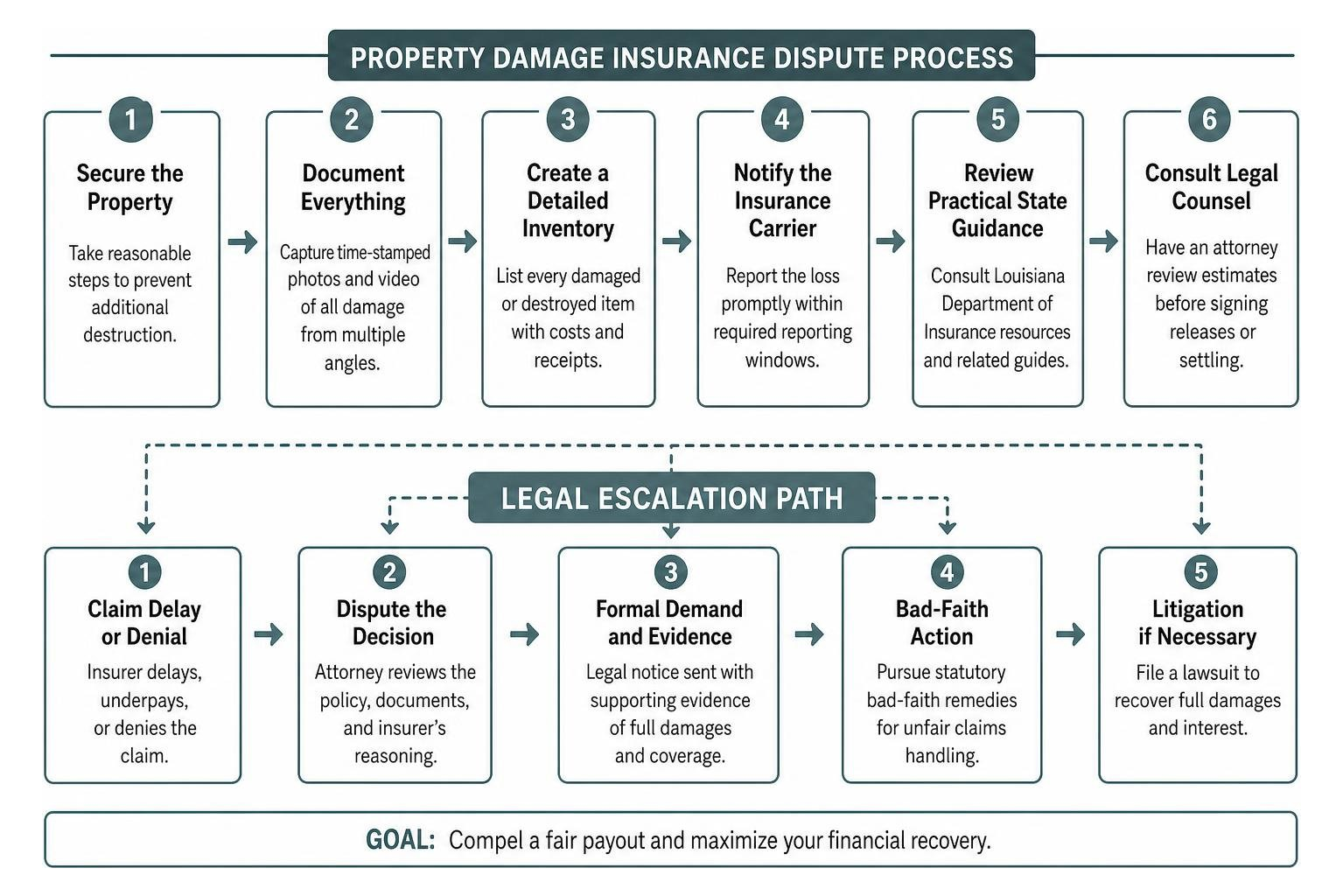
Here is what property owners should do immediately to protect their rights and maximize their financial recovery:
- Secure the Property to Mitigate Further Damage: Insurance policies require policyholders to take reasonable steps to prevent additional destruction. If a roof is punctured during a storm, place a tarp over the exposed area. If a pipe bursts or flooding occurs, turn off the main water supply and arrange for water extraction. Keep all receipts for emergency supplies and mitigation services.
- Document Everything Thoroughly: Before moving debris or beginning cleanup, capture comprehensive, time-stamped photographs and video footage of all damage from multiple angles. For hidden moisture, moisture mapping or thermal imaging can help substantiate losses behind drywall and under flooring.
- Create a Detailed Inventory: Compile a line-by-line list of every damaged or destroyed item, including age, make, model, estimated replacement cost, and original purchase receipts when available.
- Notify the Insurance Carrier Promptly: Review policy requirements and report the loss within the mandatory reporting windows. Provide basic facts without speculating on structural causes or repair costs until licensed contractors have completed inspections.
- Review Practical State Guidance: For extra direction following severe weather, consult the Louisiana Department of Insurance resources on storm recovery, and review our guide on what to do after an accident in Louisiana if property loss involves a vehicle collision.
- Consult Legal Counsel Before Signing Releases: Never accept a final settlement check or sign a liability waiver before having an attorney review the estimate to ensure all repair scopes and hidden structural damage are accounted for.
How a Property Damage Claim Attorney Maximizes Your Insurance Payout
Insurance carriers operate as for-profit corporations. Their goal is to settle claims for the lowest possible amount. When an insurance company assigns its own adjuster, that adjuster represents the insurer’s financial interests, not the policyholder’s.
We level the playing field by thoroughly reviewing the policy language, cross-referencing state building code requirements, and bringing in independent building estimators, structural engineers, and forensic accountants. We uncover damage line items that company adjusters routinely leave out—such as continuous flooring replacement, matching exterior siding, overhead and profit (O&P) calculations, and code upgrades.
| Claim Element | Handling the Claim Independently | Hiring Legal Counsel |
|---|---|---|
| Damage Assessment | Relies on the insurer’s adjuster, who often minimizes repair scopes. | Independent inspections uncover hidden structural, water, and electrical damage. |
| Policy Interpretation | Insurer applies complex exclusions and limitations to restrict payouts. | Legal analysis identifies coverage triggers and fights ambiguous exclusions. |
| Estimate Pricing | Insurer uses regional software that frequently underprices local labor and material costs. | Detailed, contractor-backed line-item estimates reflect actual local rebuilding expenses. |
| Carrier Accountability | Policyholders have limited leverage when facing endless delays and lowball checks. | Formal statutory notices, bad-faith claims, and litigation compel fair payouts. |
First-Party vs. Third-Party Property Damage Claims
Property damage claims generally fall into one of two categories:
- First-Party Claims: These claims are filed directly with your own insurance company (such as your homeowners, commercial property, or auto comprehensive/collision policy). The claim is governed by the specific terms, conditions, and deductibles of your insurance contract.
- Third-Party Claims: These claims are filed against another person or business whose negligence caused the damage. For instance, if another driver crashes into your vehicle or commercial storefront, their liability insurance is responsible for paying for the repairs.
When vehicular crashes cause heavy damage to private property or other automobiles, a dedicated New Orleans car accident lawyer can hold the at-fault driver’s insurance carrier liable for full repair costs, rental expenses, and vehicle depreciation. If a commercial rig or fleet vehicle causes catastrophic property loss, working with a New Orleans truck accident attorney ensures that corporate policies and commercial umbrella coverage are pursued.
When to Enlist a Property Damage Claim Attorney for Denied or Underpaid Claims
If you receive a formal denial letter or a settlement check that fails to cover the realistic cost of repairs, you do not have to accept the insurer’s decision as final. An attorney can step in to:
- Appeal Improper Denials: Insurers often blame storm losses on “wear and tear” or “pre-existing deterioration.” We retain independent professionals to establish that the covered peril was the direct cause of the loss.
- Dispute Scope Discrepancies: If an insurer offers to spot-repair a roof when Louisiana building codes or manufacturer warranties require a complete roof replacement, we challenge the scope with code compliance documentation.
- Fight Lowball Estimates: Insurance software often relies on outdated material and labor pricing. We replace those low estimates with bids from reputable local contractors.
- Stop Bad-Faith Delay Tactics: When adjusters fail to return calls, repeatedly request documents they already received, or swap adjusters to restart the process, we enforce statutory deadlines.
Understanding Common Property Damage Types: Home, Auto, and Commercial Losses

Property damage comes in many forms across Southern Louisiana. The nature of the damage dictates the evidence required to prove the claim:
- Hurricane and Windstorm Damage: High-velocity winds tear off shingles, compromise structural framing, and create roof uplift that allows rain to enter. Documenting wind direction, uplift testing, and exterior openings is essential.
- Water Intrusion and Mold Growth: Whether caused by a plumbing failure, roof breach, or fire suppression system, water migrates rapidly behind baseboards and insulation. Moisture mapping and indoor air quality diagnostics prove the full extent of the contamination.
- Fire and Smoke Damage: Fire losses involve not only charred framing but also toxic soot, smoke odor embedded in porous materials, and extensive water damage from firefighting efforts. Total remediation requires specialized cleaning and structural replacement.
- Hail Impact: Hail can bruise shingles, compromise roofing membranes, dent metal flashings, and damage HVAC condenser fins. These issues often go unnoticed until leaks appear months later.
Resolving Auto Repair Disputes and Diminished Value Claims
When a vehicle is involved in a collision, the owner faces more than just immediate repair bills. Disputes frequently arise over:
- Aftermarket vs. OEM Parts: Insurers often write estimates using cheap aftermarket or salvage parts. Owners are entitled to safe repairs that restore the vehicle to its pre-loss condition using original equipment manufacturer (OEM) parts where appropriate.
- Inherent Diminished Value: Even when a vehicle is repaired properly, its resale value drops simply because it now has an accident history. In third-party claims, owners can recover this loss in market value.
If you ride, a New Orleans motorcycle accident attorney understands that motorcycle frame alignment and structural integrity must be inspected thoroughly after an impact. Furthermore, if a vehicle or personal property is damaged due to unsafe conditions on someone else’s land, a New Orleans premises liability lawyer can establish owner negligence and recover full compensation.
Navigating Complex Commercial and Condo Property Losses with a Property Damage Claim Attorney
Commercial property claims and condominium losses involve distinct challenges:
- Condo Master Policy vs. Unit Policy: In a condominium loss, determining whether the master policy (the HOA) or the individual unit owner’s policy pays for drywall, fixtures, and common elements requires a detailed review of the association’s declarations and bylaws.
- Business Interruption and Lost Revenue: When a commercial building is damaged, the business often must close or relocate temporarily. Business interruption coverage compensates for ongoing payroll, rent, taxes, and lost operating profits while repairs take place.
- Commercial Lease Covenants: Landlords and commercial tenants must establish who is responsible for structural repairs versus tenant improvements and interior buildouts under the terms of the lease.
Holding Insurers Accountable: Bad Faith, Appraisals, and Legal Escalation
Louisiana law holds insurance carriers to high standards of fair dealing. When an insurer fails to handle a claim honestly, delays payments without good reason, or refuses to pay a valid claim within the timeframes established by law, it may be guilty of statutory bad faith.
Common bad-faith tactics include:
- Failing to acknowledge a claim or communicate within statutory deadlines.
- Offering settlements substantially below the verifiable cost of repairs.
- Demanding unnecessary, repetitive documentation to stall the claims process.
- Misrepresenting policy provisions or exclusions to discourage policyholders.
- Failing to provide a reasonable, written explanation for a claim denial.
When an insurer acts in bad faith, Louisiana law allows policyholders to recover the actual damages owed under the policy plus substantial statutory penalties and attorney fees.
If the dispute centers strictly on the dollar amount of the loss rather than coverage, many policies contain an appraisal clause. During appraisal, each side selects an independent appraiser, and an umpire settles any differences. While appraisal can be an effective way to resolve pricing disputes, an attorney ensures the appraisal panel adheres to policy rules and does not overstep into coverage determinations.
When informal negotiations and appraisal fail to produce a fair result, we file formal lawsuits to protect your property and financial future. We represent clients on a contingency fee arrangement, meaning there are no upfront costs, and we only get paid if we recover funds for you.
How to Choose the Right Legal Representation for Your Property Claim
Selecting the right legal team is critical to the success of your property damage claim. Consider the following factors:
- Local Court Experience: Louisiana insurance laws and civil court procedures are unique. Choose a firm with deep roots in local courts and experience taking on major regional carriers.
- Proven Track Record in Complex Litigation: Review past case results to ensure the firm has a history of securing substantial settlements and verdicts against stubborn insurance companies.
- Access to Independent Estimating Resources: A strong legal team maintains relationships with building consultants, structural engineers, and forensic accountants who can provide courtroom-ready proof of your losses.
- Direct Communication: Look for a firm that provides dedicated, one-on-one attention throughout your case so you never feel left in the dark.
To understand more about evaluating legal counsel, read our guide on how to choose the best personal injury attorneys in New Orleans LA.
Frequently Asked Questions About Property Damage Claims in Louisiana
How much does it cost to hire an attorney for a property damage claim?
We handle property damage claims on a contingency fee basis. You pay nothing out of pocket to retain our services, and we cover the upfront costs of independent inspections, engineering reports, and filing fees. We only collect a fee if we recover a settlement or court judgment on your behalf. Additionally, if the insurer acted in bad faith, Louisiana statutes may require the carrier to pay your attorney fees.
How long does an insurance company have to process and pay my claim in Louisiana?
Under Louisiana law, insurers must initiate loss adjustments promptly after receiving notice of a claim. Once a policyholder submits a satisfactory proof of loss, the insurer generally has 30 days to pay the claim or tender an undisputed settlement amount. In declared disaster or emergency zones, these deadlines may be adjusted by state emergency rules, but insurers remain legally prohibited from causing arbitrary delays.
What is a Civil Remedy Notice and when is it used?
A Civil Remedy Notice (or formal statutory notice of bad faith) is an official legal document sent to an insurer and state regulators. It details the specific statutes and policy provisions the insurer has violated through underpayment, unreasonable delay, or wrongful denial. The notice gives the insurance company a mandatory cure period (typically 30 to 60 days, depending on jurisdiction) to pay the full claim amount. If the carrier fails to correct its violation within this window, the policyholder gains the right to file a bad-faith lawsuit seeking statutory penalties and attorney fees.
Take Decisive Action to Protect Your Property and Financial Recovery
Insurance companies have teams of adjusters, risk managers, and corporate defense attorneys working to minimize the amount paid on every claim. When your home, vehicle, or business has suffered damage, you should not have to fight a multi-billion-dollar corporation alone.
At J Reese Law Firm, we fight aggressively to hold insurance carriers accountable and secure every dollar you are owed under your policy. Whether you are dealing with a denied claim, a lowball settlement offer, or unreasonable delays, we provide the legal muscle needed to resolve your claim fairly.
Contact us today through our New Orleans personal injury and property damage representation portal or call our office directly to schedule your free, no-obligation case evaluation. Let our team review your policy, inspect your damages, and fight for the recovery you deserve.