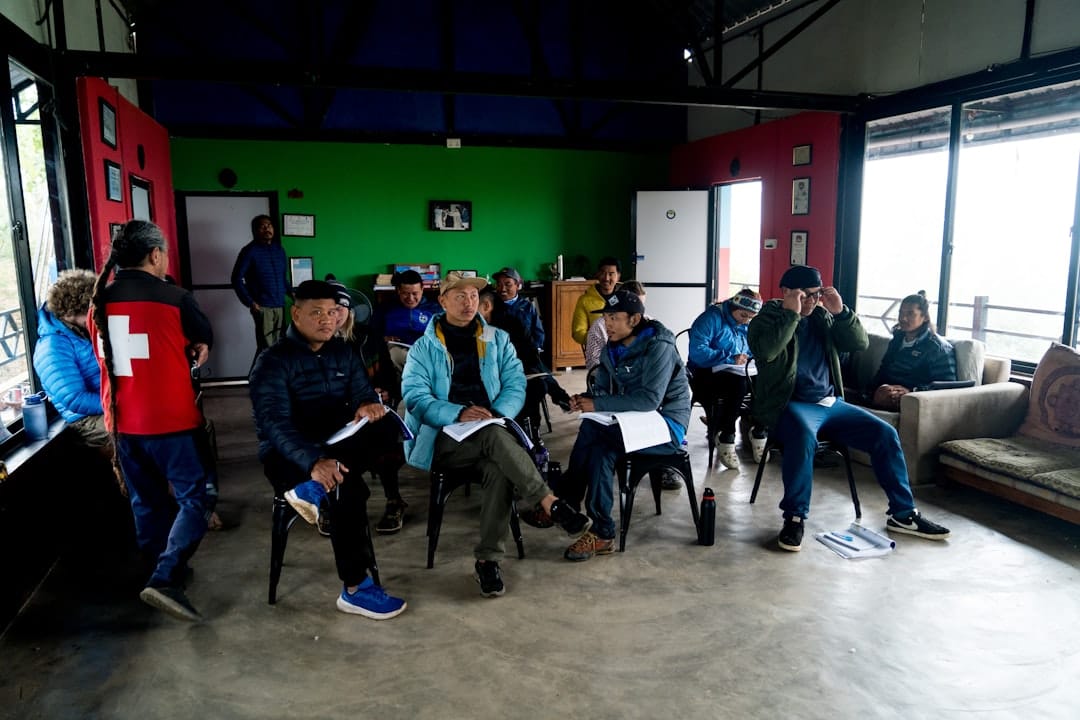
Finding the Best Brain Injury Support Groups in New Orleans
Brain injury support groups connect survivors, caregivers, and families with others who truly understand what they are going through. If you are looking for one, here are the most direct ways to find help:
- National directory: Contact the Brain Injury Association of America at 800-444-6443 or visit their virtual support group listings
- State-level help: Reach out to your state’s Brain Injury Association for local and online group schedules
- Virtual options: Groups like the BIHN Community (55,000+ members) and the Virtual Tuesday Brainy Bunch meet weekly via Zoom — open to survivors and caregivers nationwide
- Caregiver-specific groups: Dedicated groups exist for family members and caregivers of TBI survivors, separate from survivor-focused meetings
- Specialized groups: Options are available for stroke survivors, concussion recovery, young adults, and severe injury caregivers
A brain injury changes everything — not just for the person who survived it, but for everyone who loves them. Survivors often describe feeling invisible, like the hardest parts of recovery — the emotional weight, the identity shifts, the daily frustrations — are impossible to explain to anyone who hasn’t lived it. Caregivers face their own quiet exhaustion. And families can feel completely cut off from the support they desperately need.
That isolation is real. But it is not permanent.
Support groups offer something that no medical appointment or rehab session can fully replace: the experience of being understood by someone who has been there. Whether meeting in a hospital conference room or on a Tuesday Zoom call from your living room, these groups have helped thousands of people find their footing again.
I’m Justin Reese, a personal injury attorney at J Reese Law Firm based in New Orleans, and I have spent over a decade representing people whose lives were upended by traumatic brain injuries — which means I have seen how vital brain injury support groups are to long-term recovery. In the guide below, I’ll walk you through exactly where to find the right group for your situation, what to expect, and when legal support may also be part of your path forward.
Understanding the Power of Brain Injury Support Groups
When we talk about recovering from a traumatic brain injury (TBI) or an acquired brain injury (such as a stroke), we often focus on the physical side of things: speech therapy, physical rehabilitation, and neurological checkups. But cognitive and emotional recovery is a completely different beast.
This is where the BIHN | Brain Injury Support and Resources network comes in. As an active 501(c)(3) community celebrating over 13 years of service in 2026, BIHN brings together more than 55,000 survivors, caregivers, and families. Their work highlights a fundamental truth: healing does not happen in a vacuum.
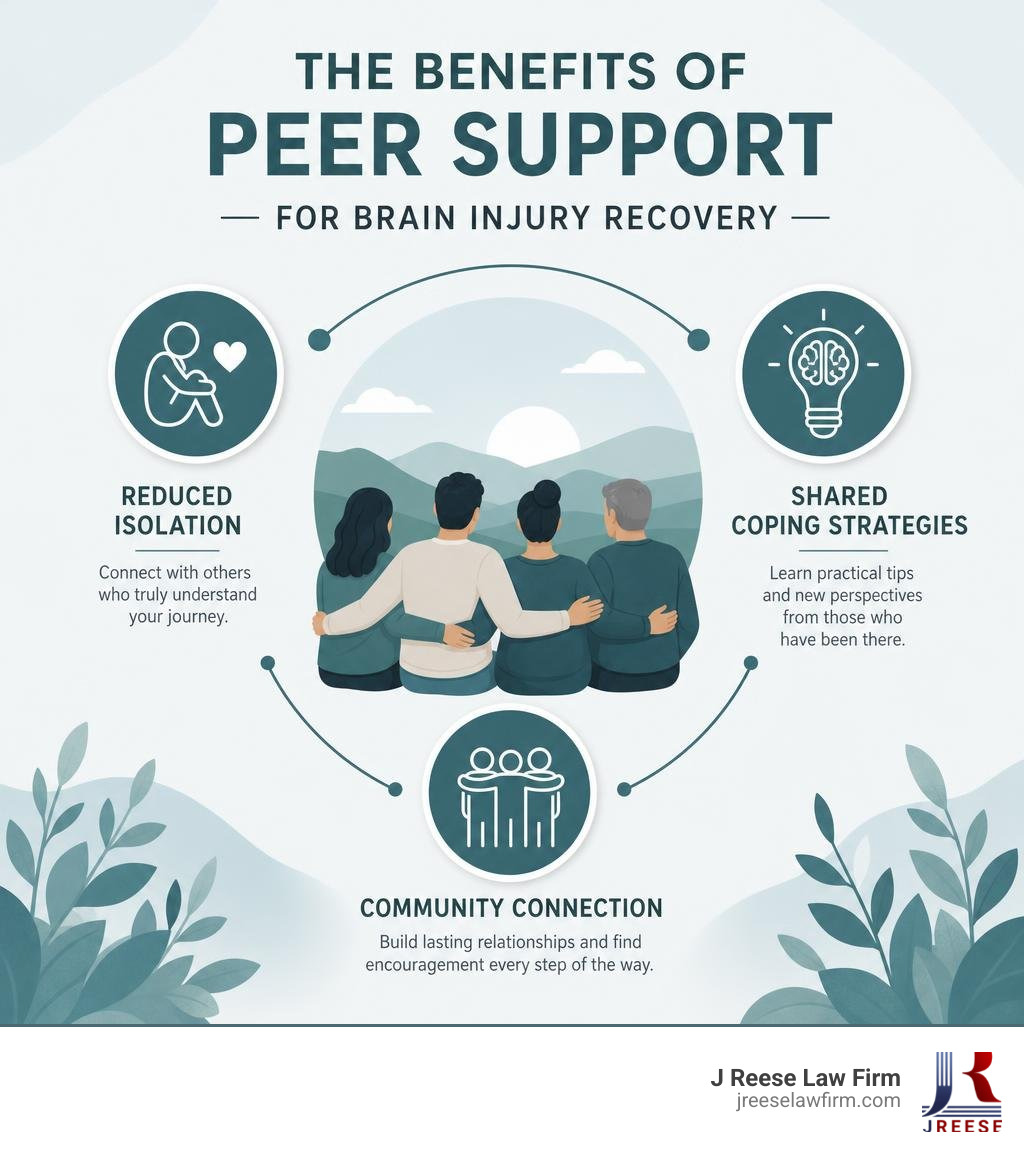
By joining a support group, survivors and their loved ones gain access to several key benefits:
- Emotional Healing: A safe space to process grief, frustration, anger, and the anxiety that frequently accompanies a brain injury.
- Shared Experiences: Hearing how others managed the exact same hurdles you are facing today.
- Practical Coping Strategies: Real-world advice on managing memory lapses, sensory overload, and fatigue.
- Reducing Isolation: Realizing that you are not the only person in New Orleans dealing with these invisible challenges.
Why Peer Connection Matters for Survivors
For survivors, finding a Support Group | VoicesOfBrainInjury can be a turning point. Many survivors experience a profound sense of identity loss. The person they were before the injury feels distant, and adjusting to cognitive challenges or physical changes can feel like learning to walk through life with a map written in a different language.
Peer-led support groups provide a level of social integration that clinical environments simply cannot replicate. In these groups, survivors don’t have to explain why they need a moment to find their words or why bright fluorescent lights are making them uncomfortable. Through mutual guidance, members help each other rebuild confidence and self-worth.
The Crucial Role of Caregiver Support
We cannot talk about brain injuries without talking about the people who step up to care for survivors. Caregiving is an act of profound love, but it is also incredibly demanding. It is common for family members to experience severe burnout as they adapt to changing family dynamics and the heavy emotional weight of a loved one’s recovery.
That is why finding Home | Traumatic Brain Injury Support for Family Caregivers is so important. Caregiver-specific support networks give spouses, parents, and adult children a place to share their burdens without judgment. These groups focus on coping mechanisms, stress management, and practical advice — like how to set up special savings accounts or handle the complex social services systems.
Types of Brain Injury Support Groups Available in 2026
No two brain injuries are identical, and neither are the people affected by them. Fortunately, the landscape of brain injury support groups has evolved to offer a wide variety of formats to fit different schedules, comfort levels, and mobility needs.

In-Person vs. Virtual Brain Injury Support Groups
The choice between in-person and virtual support often comes down to personal preference and physical accessibility.
- Virtual Support Groups: Virtual options have made support incredibly accessible. Programs like the Online Support Groups – Ontario Brain Injury Association offer structured, multi-week online programs focused on mental well-being and resilience. Additionally, the Virtual Tuesday Brainy Bunch (VTBB) – Brain Injury Connections NW hosts weekly, one-hour social Zoom meetings that allow survivors and caregivers from across the country to connect from the comfort of home.
- In-Person Support Groups: In-person meetings offer a level of warmth and physical presence that screens can’t quite match. They are ideal for local community building, sharing a cup of coffee, and participating in local social events or recreational outings.
Specialized Brain Injury Support Groups for Specific Needs
Sometimes, a general support group can feel a bit too broad. If you are a young stroke survivor, you might have different concerns than an older adult. If you are recovering from a mild concussion, your daily challenges will look different from someone recovering from a severe, long-term TBI.
To address these differences, many organizations offer specialized groups:
- Concussion & Mild TBI Groups: Focused on return-to-work strategies, managing light sensitivity, and dealing with persistent headaches.
- Stroke-Specific Groups: Designed to address the unique physical and speech recovery paths of stroke survivors.
- Private Online Communities: If you prefer a more informal, round-the-clock connection, you can Join Our Private Brain Injury Support Group on Facebook. These private spaces offer a safe, moderated environment to share daily victories and ask quick questions.
Local Resources and Support Groups in New Orleans and Louisiana
If you live in the Greater New Orleans area, finding local, face-to-face support can make a massive difference in your recovery. Connecting with neighbors who know the local doctors, physical therapists, and community resources adds a highly practical layer to your support system.
New Orleans Support Networks
New Orleans is home to some incredible, dedicated programs designed to help survivors transition back into community life:
- Touro Rehabilitation Center: The Brain Injury Specialty Program in New Orleans – Touro Rehab is a cornerstone of local recovery. Touro offers comprehensive, specialized inpatient and outpatient rehabilitation, alongside community reintegration programs.
- Brainstormers NOLA: If you are looking for an active, peer-led community group, Brainstormers NOLA: Brain Injury Support Group is a fantastic local resource. They host regular meetings and social events designed to help survivors build friendships and stay active in the local community.
Statewide Louisiana Resources
For those living outside the immediate metro area, or for survivors looking for statewide connections, the Louisiana Brain Injury Support Groups – Brain and Spinal Cord directory is an excellent starting point. This network provides a comprehensive list of regional clinics, community outreach programs, and local support chapters throughout Louisiana.
What to Expect When Attending Your First Meeting
Stepping into a support group for the very first time can feel incredibly intimidating. You might worry that you’ll be forced to speak, or that the atmosphere will be overwhelmingly sad.
Let us put those fears to rest. Here is what a typical meeting actually looks like:
- A Warm Welcome: When you arrive (or log into a Zoom call), the facilitator or group leader will usually greet you and introduce themselves.
- Strict Confidentiality: Almost every group begins by reminding everyone of the ground rules. What is shared in the room stays in the room. This creates a safe, private space where everyone can be completely honest.
- No Pressure to Share: You do not have to tell your life story on day one. If you just want to sit, listen, and drink a cup of coffee, that is completely respected. You can share when — and if — you feel ready.
- Structured or Casual Discussions: Some meetings feature guest speakers (like neurologists, physical therapists, or financial planners), while others are open, conversational sessions where members talk about their week.
- A Focus on Hope: While groups definitely talk about the hard stuff, they also spend a lot of time celebrating small victories — like someone driving for the first time in a year, or finding a new tool that helps with memory.
When a Brain Injury Requires Legal Advocacy
As much as support groups help with the emotional and mental healing process, they cannot pay your medical bills or replace your lost income.
Many traumatic brain injuries are the direct result of someone else’s negligence — whether that is a devastating truck crash on I-10, a serious car accident, or a severe slip and fall. When these life-altering injuries happen, the financial burden can quickly become overwhelming.
If you or a loved one is facing this reality, understanding Louisiana Brain Injury Litigation 101: What You Need to Know is a critical step. Louisiana law allows injury victims to seek compensation for medical expenses, future care needs, lost wages, and pain and suffering. However, building a successful case requires deep legal knowledge and swift action.
When we evaluate these cases, we look at several vital factors:
- Gathering and Preserving Evidence: This is highly time-sensitive. For example, in a slip and fall case, it is critical to take pictures of the substance on the floor immediately and document whether there were any “wet floor” signs visible. In a car crash, securing traffic camera footage and witness statements is paramount.
- Proving the Full Scope of the Injury: Brain injuries are complex. Unlike a broken bone, they don’t always show up clearly on a standard X-ray. We work closely with medical professionals to document the long-term cognitive, emotional, and physical impacts of the TBI.
- Fighting the Insurance Companies: Insurance adjusters frequently try to downplay brain injuries or offer quick, lowball settlements before the true, long-term costs of the injury are fully known.
To learn more about how we build these cases, you can read about How a Traumatic Brain Injury Lawyer Evaluates Your Case and Fights to secure the full compensation our clients deserve.
Frequently Asked Questions About Brain Injury Support Groups
Are there any costs associated with joining a support group?
Almost all peer-led and non-profit brain injury support groups are completely free to attend. Many are run by volunteer facilitators or funded through charitable donations and community grants. While some specialized, therapist-led programs may have a fee, the vast majority of community-based groups will never ask you for a credit card.
How can I start a new support group in my local area?
If you can’t find an active group in your part of Louisiana, you can absolutely start one! Reach out to the Brain Injury Association of America or local organizations like Brainstormers NOLA. They can provide you with facilitator training, starter materials, and outreach advice to help you connect with other survivors and caregivers in your neighborhood.
Can family members and caregivers attend survivor-focused groups?
It depends entirely on the group’s guidelines. Some groups are “open,” meaning anyone affected by a brain injury is welcome. Others are strictly “closed” to ensure a private space — meaning survivor groups are for survivors only, and caregiver groups are reserved strictly for caregivers. It is always a good idea to reach out to the facilitator before your first meeting to clarify the group’s boundaries.
Reclaim Your Life and Protect Your Family’s Future
True recovery from a brain injury is holistic. It requires medical care to heal the body, peer support to heal the mind, and strong legal advocacy to protect your financial future.
If your family is navigating the aftermath of a traumatic brain injury caused by someone else’s negligence, you do not have to carry that heavy financial and legal burden alone. We are here to stand in your corner, handle the insurance companies, and fight for the maximum compensation you need to fund a lifetime of care.
Reach out to a New Orleans Traumatic Brain Injury Attorney at our firm today. Whether you need a New Orleans Catastrophic Injuries Attorney or a dedicated New Orleans Personal Injury Lawyer, the team at J Reese Law Firm is ready to help you take the first step toward rebuilding your life. Contact us today for a free, compassionate consultation.