When a Brain Injury Turns Your World Upside Down
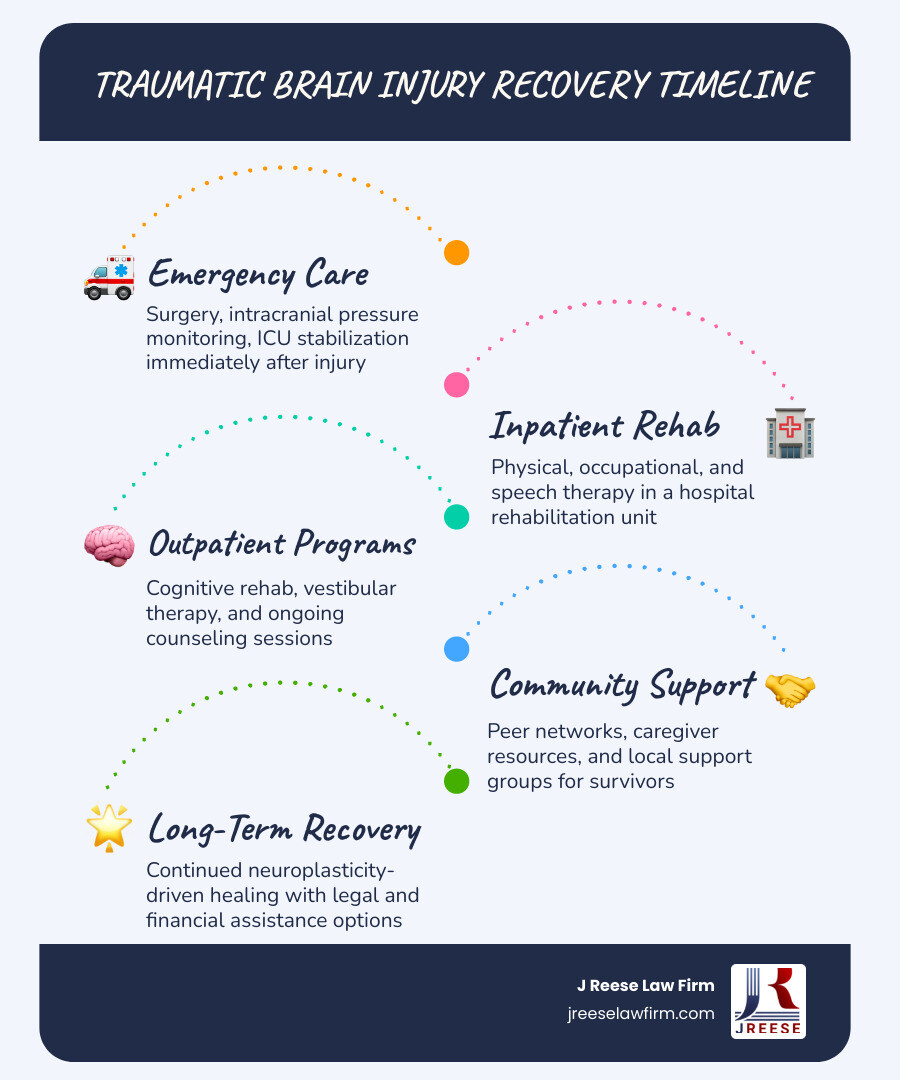
Traumatic brain injury services cover a wide range of care — from emergency surgery to long-term rehabilitation and community support. Here is a quick look at what is available:
| Type of Service | What It Includes |
|---|---|
| Emergency Care | Surgery, intracranial pressure monitoring, ICU |
| Inpatient Rehabilitation | Physical, occupational, and speech therapy |
| Outpatient Programs | Cognitive rehab, vestibular therapy, counseling |
| Community Support | Peer networks, caregiver resources, support groups |
| Financial Assistance | Sliding fee scale clinics, state trust funds, grants |
| Legal Help | Compensation claims, insurance disputes, liability |
A traumatic brain injury can happen in a split second — a car crash, a bad fall, a hit on the field. And just like that, everything changes. An estimated 1.56 million TBIs occur in the United States every single year, according to NIDILRR-supported research. Yet many survivors and families do not know where to turn for help, or how to access the care they need and deserve.
Recovery does not end in the emergency room. The brain has a remarkable ability to adapt and heal over time — a quality called neuroplasticity — and with the right support, improvement is possible long after the initial injury.
I’m Justin Reese, a personal injury attorney with Alexander Shunnarah Trial Attorneys, and I have spent my career helping people affected by catastrophic injuries — including those who need traumatic brain injury services but don’t know where to start. This guide will walk you through every step of the process, from finding care to protecting your legal rights.
Understanding Traumatic Brain Injury and Its Common Causes
A traumatic brain injury (TBI) happens when an external physical force bumps, jolts, or penetrates the head, disrupting normal brain function. These injuries range from mild (often called concussions) to severe, where long-term cognitive and motor functions are heavily impacted.
In our practice serving New Orleans, we see how suddenly these life-altering injuries occur. The most common causes of traumatic brain injuries include:
- Motor Vehicle Accidents: High-impact collisions are a leading cause of moderate-to-severe TBIs. Whether it is a highway pile-up or a city-street collision, the force of an impact can cause the brain to collide with the hard interior of the skull. If you or a loved one has suffered an injury on the road, consulting a New Orleans Car Accident Lawyer is a vital step in securing the resources needed for your recovery.
- Motorcycle Crashes: Riders have very little protection when thrown from a bike. Even with a high-quality helmet, the rotational forces of a crash can cause diffuse axonal injury (tearing of the brain’s long connective nerve fibers). In these complex situations, working with a New Orleans Motorcycle Accident Attorney helps families hold negligent parties accountable and cover mounting medical bills.
- Slip and Fall Accidents: Falls are the leading cause of TBIs nationwide, especially among young children and older adults. A slick floor in a grocery store, an unlit stairwell, or a broken sidewalk can cause a sudden backward fall, resulting in a severe blow to the head. Working with a New Orleans Slip and Fall Attorney helps victims prove property owner negligence and recover compensation for their medical care.

The Spectrum of Traumatic Brain Injury Services: From Emergency Care to Rehabilitation
When a brain injury occurs, the road to recovery is rarely a straight line. It requires a collaborative team of clinicians, therapists, and support coordinators to address the physical, cognitive, and emotional impacts of the trauma.
The continuum of traumatic brain injury services is generally divided into distinct stages, transitioning from acute life-saving measures to long-term community reintegration.
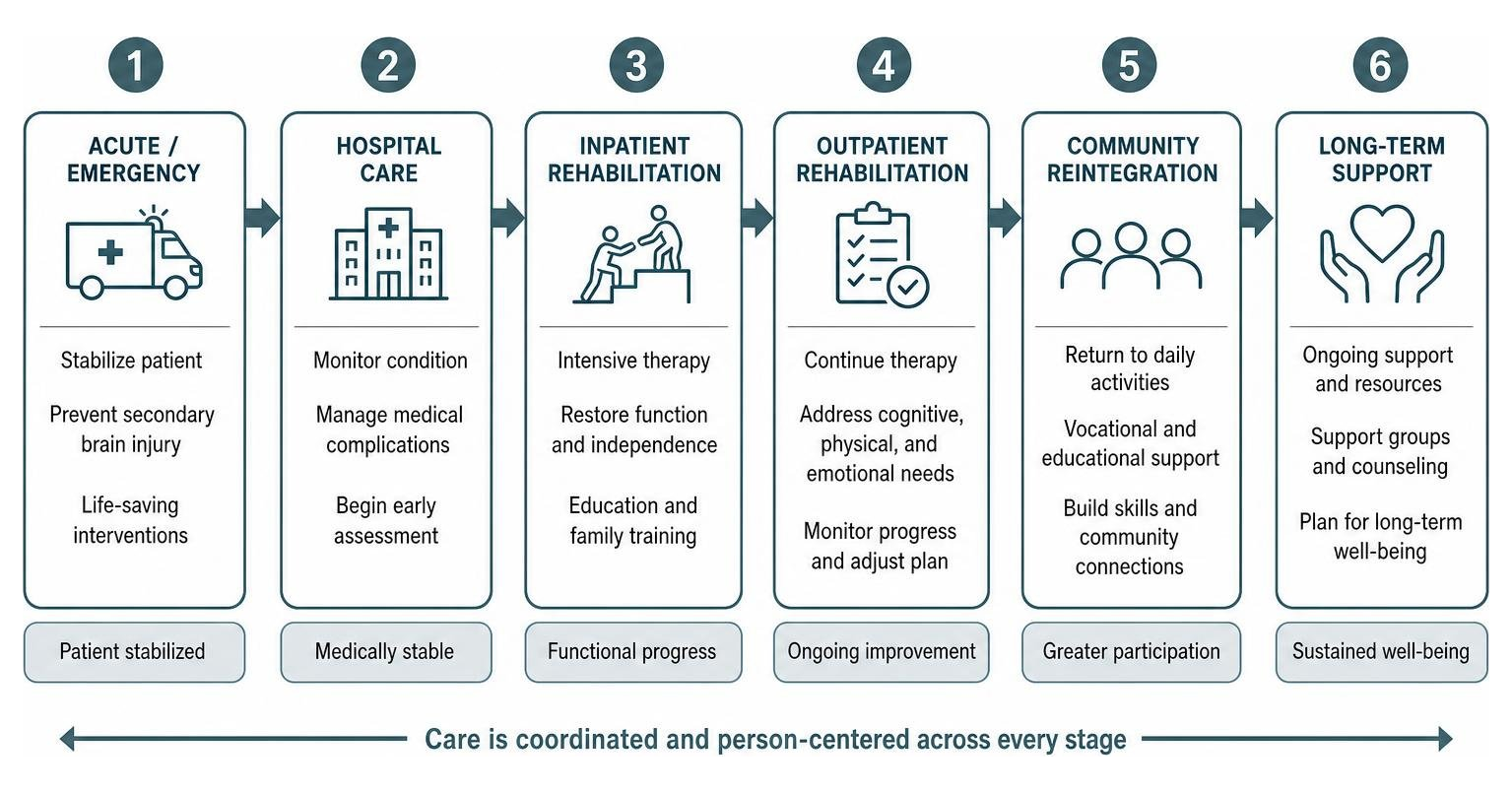
For survivors in Louisiana, finding a specialized facility is key to maximizing recovery. Local programs, such as the Brain Injury Specialty Program in New Orleans – Touro, offer dedicated inpatient rehabilitation designed to help patients regain their independence.
| Phase of Care | Primary Location | Key Goals | Common Treatments |
|---|---|---|---|
| Acute / Emergency | Level 1 Trauma Center / ICU | Stabilize patient, prevent secondary brain damage | Intracranial pressure monitoring, decompression surgery, medications |
| Inpatient Rehab | Specialized Rehab Hospital | Rebuild basic life skills, mobility, and communication | Physical, occupational, and speech therapy in a highly structured setting |
| Outpatient Rehab | Outpatient Clinics / Telehealth | Fine-tune cognitive and physical abilities, transition home | Cognitive rehabilitation, vestibular therapy, counseling, driving simulations |
Emergency Medical Care and Acute Traumatic Brain Injury Services
The moments immediately following a brain injury are critical. Emergency medical care focuses on treating the primary injury and minimizing secondary damage, such as brain swelling (edema), bleeding (hematomas), or a lack of oxygen to brain tissues.
At a Level 1 trauma center, clinicians utilize advanced technology to monitor the brain closely. This includes tracking intracranial pressure and measuring brain oxygen levels to ensure the delicate tissue receives enough blood flow. Clinicians often prescribe antiseizure medications during the first week following a moderate-to-severe TBI, as patients face a heightened risk of early seizures that could cause further harm.
For those seeking to understand the highest standards of immediate trauma care, resources on Neurotrauma Care | UW Medicine highlight how coordinated, high-volume medical systems dramatically improve patient survival and recovery outcomes.
Long-Term Rehabilitation and Outpatient Traumatic Brain Injury Services
Once a patient is medically stable, the focus shifts to rehabilitation. This is where the brain’s neuroplasticity is put to work. Through repetitive, targeted therapies, patients can bypass damaged pathways and build new neural connections.
- Physical Therapy: Focuses on restoring strength, balance, and coordination. Therapists may use advanced tools like robot-assisted gait training to help patients walk safely again.
- Occupational Therapy: Helps survivors relearn daily activities, such as dressing, cooking, writing, and using technology.
- Speech-Language Pathology: Addresses difficulties with speaking, swallowing, and understanding language. It also plays a vital role in cognitive rehabilitation, helping patients improve memory, focus, and problem-solving skills.
- Vestibular Therapy: Specifically targets dizziness and balance disorders, which are incredibly common after concussions and moderate head trauma.
To explore how these therapies are integrated into comprehensive, long-term programs, you can review the approach detailed by Brain Injury Rehabilitation | Atrium Health, which emphasizes continuous, personalized care plans.
Funding and Accessing Low-Cost Brain Injury Care
One of the biggest hurdles families face after a TBI is the overwhelming cost of care. Specialized rehabilitation can run into tens of thousands of dollars, leaving many wondering how they will afford the treatment their loved one needs.
Fortunately, there are avenues to access affordable care:
- HHS-Funded Health Centers: The U.S. Department of Health and Human Services funds community health centers that provide services regardless of a patient’s ability to pay. These centers charge on a sliding fee scale based on income, making basic healthcare and therapy more accessible.
- Telehealth Services: Traveling to doctor appointments can be physically exhausting and cognitively overwhelming for someone recovering from a brain injury. Many healthcare providers now offer virtual visits, reducing the travel burden and making it easier to stay consistent with follow-up care.
- State-Specific Programs: In Louisiana, the Traumatic Brain & Spinal Cord Injury Trust Fund Program provides a vital safety net. This program is designed to fund services that help survivors live independently in their homes and communities, covering things like home modifications, specialized medical equipment, and therapy sessions when other insurance options have been exhausted.
Understanding how to leverage these programs alongside legal avenues is essential. Reading up on Louisiana Brain Injury Litigation 101: What You Need to Know can help you understand how to secure the resources required to fund a lifetime of care.

Support Systems for Survivors, Caregivers, and Families
A brain injury does not just affect the individual; it impacts the entire family. Caregivers often face immense physical and emotional strain, sometimes leading to burnout. Finding a community of people who understand what you are going through is just as important as finding the right doctor.
Local and national organizations offer excellent resources to help families cope:
- The Brain Injury Association of Louisiana: Serving as the state’s affiliate for national advocacy, the Brain Injury Association of Louisiana provides educational materials, resource facilitation, and connections to local support networks.
- Support Groups: Joining a support group allows survivors and caregivers to share coping strategies, celebrate milestones, and find comfort in a shared experience. To find a group near you, check out our guide on No Survivor Is an Island: Finding the Best Brain Injury Support Groups.
Legal Options and Securing Compensation for Your Recovery
When a brain injury is caused by someone else’s negligence, the legal system provides a pathway to secure the financial compensation needed for your medical bills, lost wages, and pain and suffering.
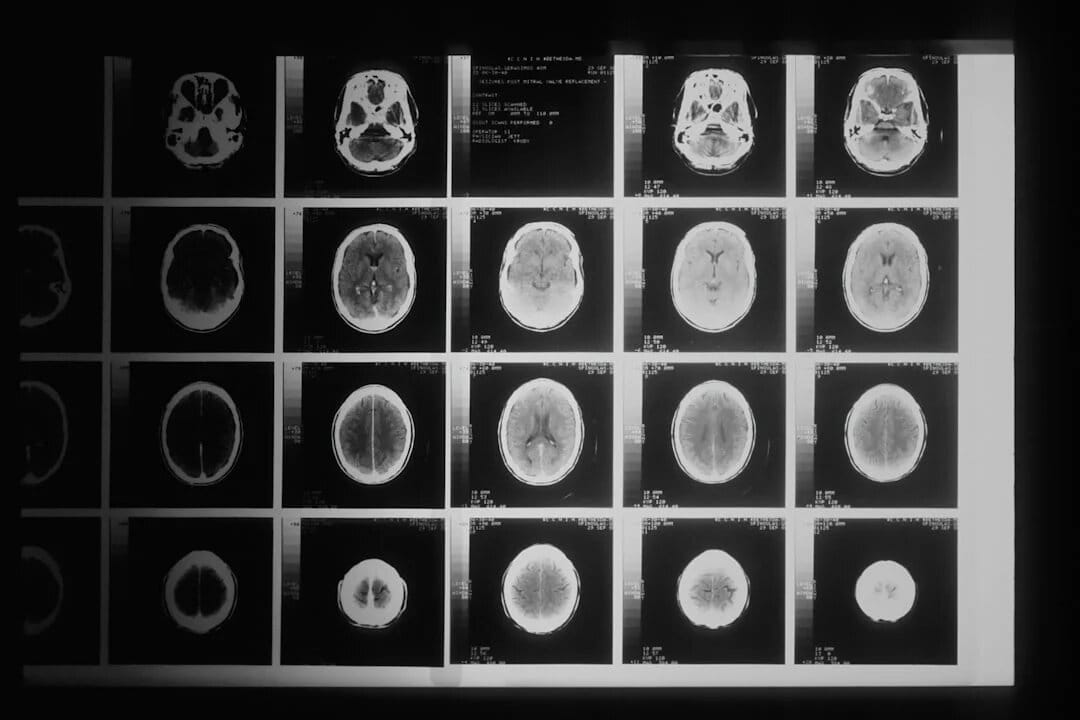
However, insurance companies are businesses, and their primary goal is to settle claims for as little as possible. They may try to downplay the severity of a brain injury, especially since cognitive and emotional symptoms do not always show up on a standard X-ray or CT scan.
To protect your rights and build a strong case, certain steps are critical:
- Gather Evidence Immediately: If your injury was caused by a slip and fall, take pictures of the substance or liquid on the floor that caused you to slip. Note whether there were any “wet floor” signs posted.
- Document Everything: Keep a detailed log of all medical appointments, symptoms, and how the injury affects your daily life.
- Act Quickly: Under Louisiana law, you have a very limited window to take legal action. Louisiana’s One Year Statute of Limitations means you generally have only one year from the date of the injury to file a personal injury lawsuit.
To understand how an attorney builds a compelling case on your behalf, read our detailed breakdown on How a Traumatic Brain Injury Lawyer Evaluates Your Case and Fights.
Frequently Asked Questions About Brain Injury Care
We understand that you have questions during this challenging time. Here are some of the most common questions families ask us about traumatic brain injury services and recovery. You can also visit our comprehensive FAQ page for more information.
What is the difference between a mild concussion and a severe TBI?
A mild TBI, often called a concussion, may involve a brief loss of consciousness (or none at all), with symptoms like headaches, dizziness, and temporary confusion that typically resolve with rest. A moderate-to-severe TBI involves prolonged unconsciousness, potential brain bleeding, and long-term cognitive, physical, and behavioral changes. Both require professional evaluation. To learn more about diagnostic testing and treatment paths, refer to the Traumatic Brain Injury Treatment | Cleveland Clinic overview.
How can I find local support groups in Louisiana?
You can connect with local support groups through the Brain Injury Association of Louisiana (BIALA) website or by asking the social work team at your rehabilitation hospital. Many local clinics and community centers in the New Orleans area host monthly meetings for survivors and caregivers.
What should I do if my insurance denies coverage for rehabilitation?
Insurance denials are common but can be fought. You should work closely with your medical team to gather detailed documentation of medical necessity. If the insurance company refuses to budge, legal advocacy can help you appeal the decision and hold the insurer to the terms of your policy.
Secure Your Future with Dedicated Legal Advocacy
Recovering from a brain injury is a full-time job. You should be focusing on your physical and cognitive therapy, not fighting with insurance adjusters or worrying about how you will pay for your next round of treatment.
At the J Reese Law Firm, we help families in New Orleans navigate the complex legal and medical systems following a catastrophic injury. We understand the profound impact a brain injury has on your life, and we are committed to helping you secure the maximum compensation available to fund your recovery.
If you or a loved one needs help accessing critical care and pursuing legal justice, contact a compassionate New Orleans Traumatic Brain Injury Attorney today. Let us handle the legal burden so you can focus on healing.
Please visit our Contact page to schedule a free, confidential consultation.