Finding Help After a Multi-Vehicle Crash in New Orleans
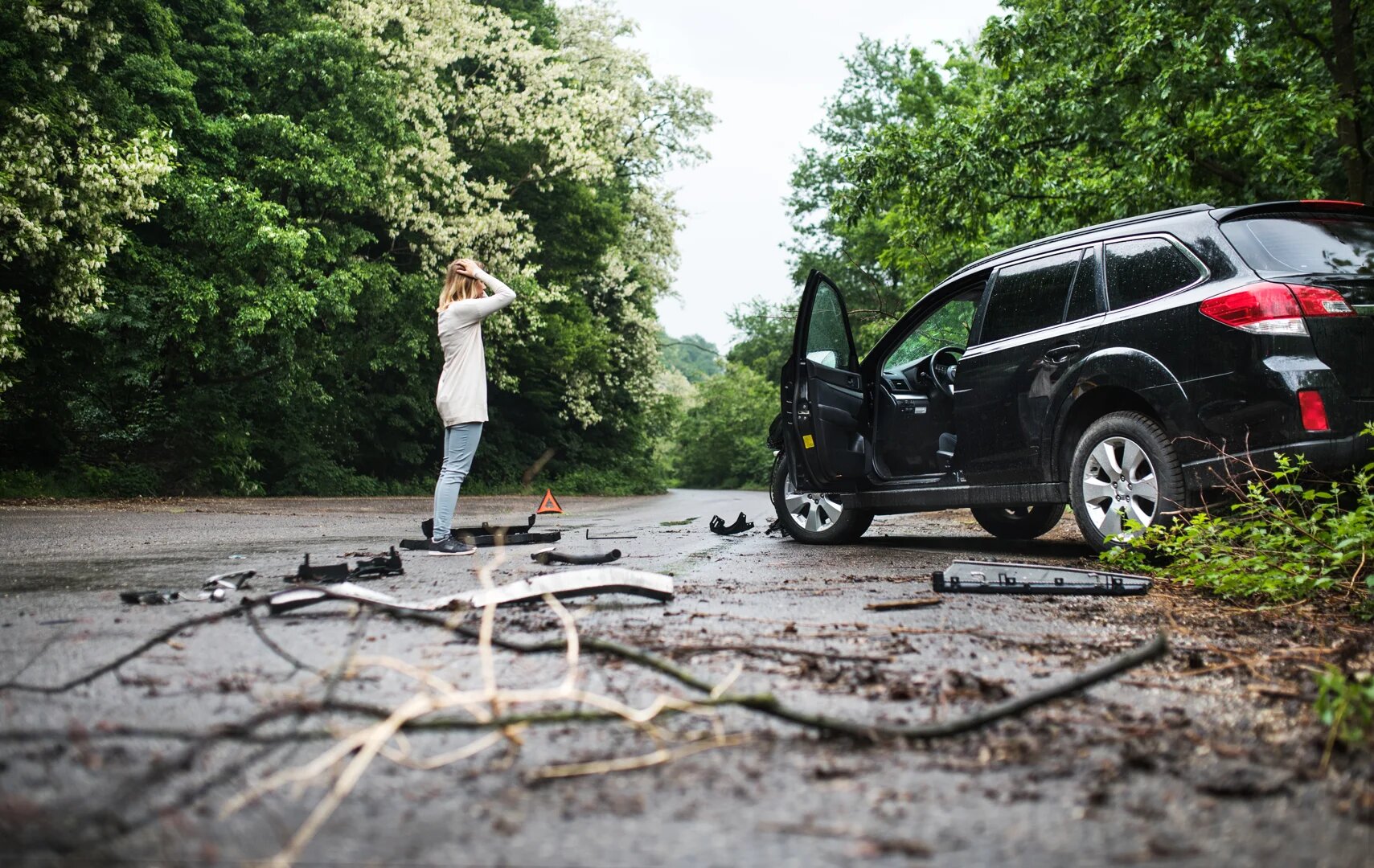
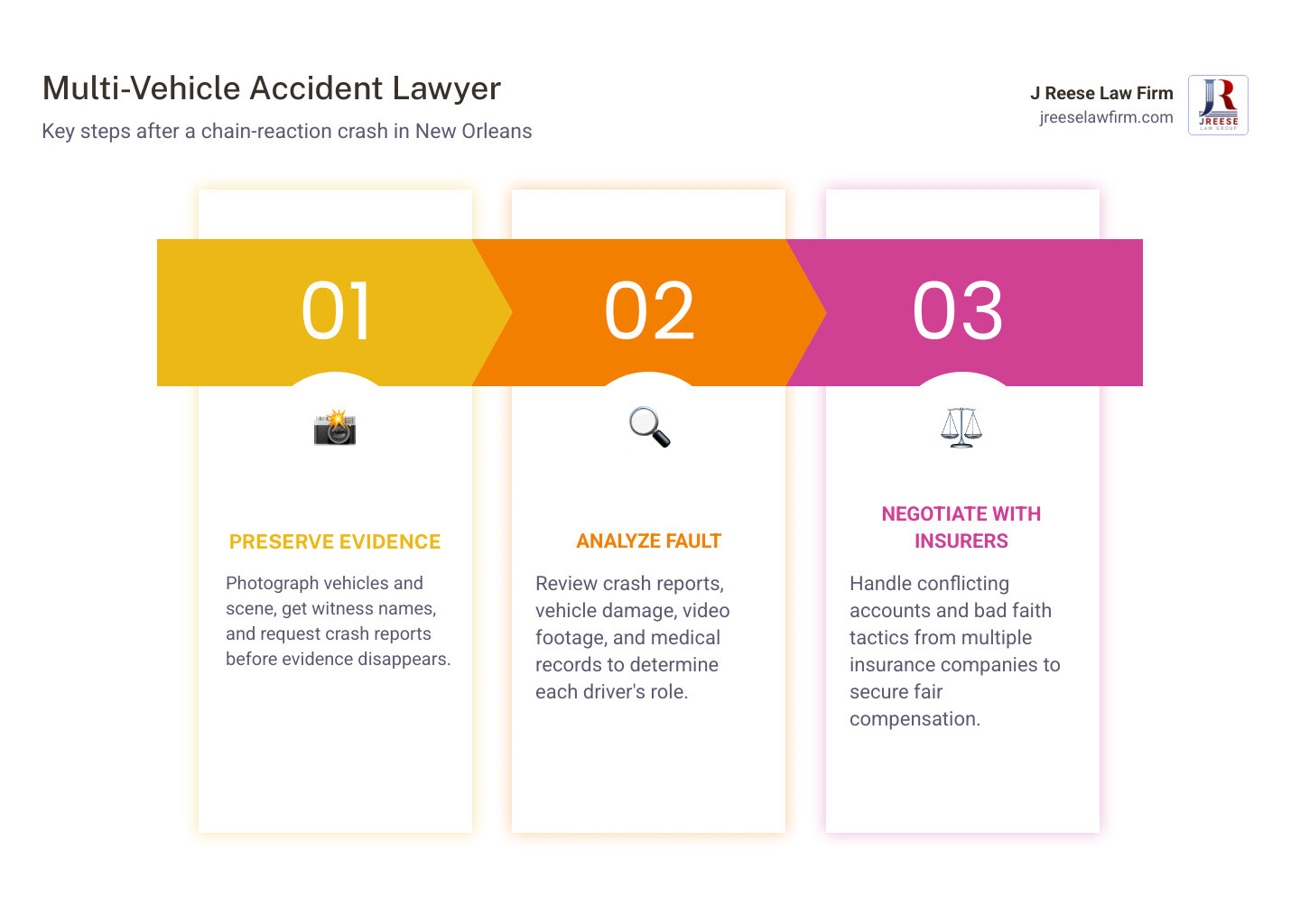
A multi-vehicle accident lawyer can help you find out who caused each impact, preserve evidence, and deal with insurers that may blame one another. After a pileup, call 911, get medical care, and photograph the vehicles and scene if it is safe. Keep the names of drivers and witnesses, then speak with a lawyer before accepting a settlement.
In a chain-reaction crash, the first impact may not explain every injury. A lawyer can review crash reports, vehicle damage, video, and medical records to build a clearer account of what happened.
I’m Justin Reese, a civil litigation and personal injury attorney who has handled auto collision cases since 2011. As a multi-vehicle accident lawyer, I know how important it is to sort out conflicting accounts before evidence disappears.
Simple guide to multi-vehicle accident lawyer:
Understanding Multi-Vehicle Collisions and Complex Pileups
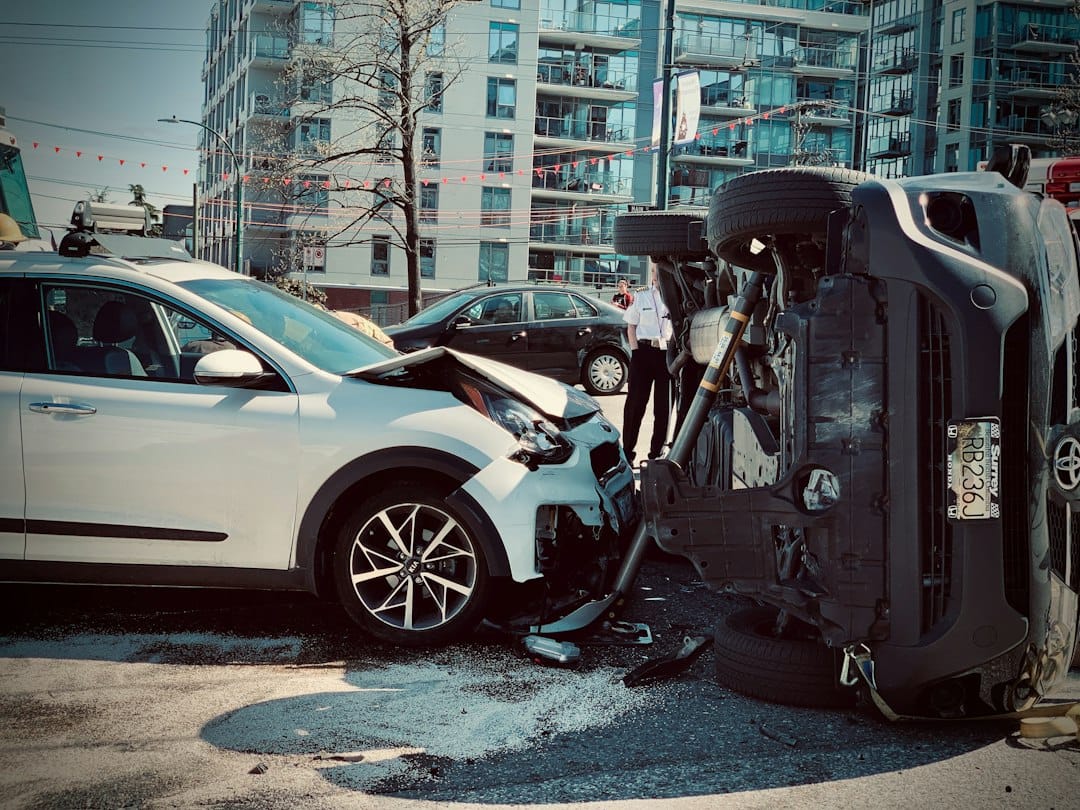
Multi-vehicle crashes happen in seconds, but the fallout can last for years. When three or more cars, trucks, or motorcycles collide, identifying what happened is rarely straightforward. Instead of a single impact where one driver clearly violated another driver’s right-of-way, multi-car pileups create cascading chaos.
Navigating insurance claims after these crashes is challenging because every insurer tries to minimize payouts by blaming someone else. Understanding these nuances begins with navigating complex claims with a multi-vehicle collision attorney who knows how to reconstruct fast-moving collisions.
Pileups frequently happen on busy corridors such as the I-10 high-rise, the Crescent City Connection, and the Pontchartrain Expressway. These heavily traveled roadways often appear on lists of New Orleans accident hotspots, where heavy commuter traffic blends with high speeds, sudden slowdowns, and unpredictable lane changes. When commercial traffic mixes into these congested stretches, the risk increases exponentially.
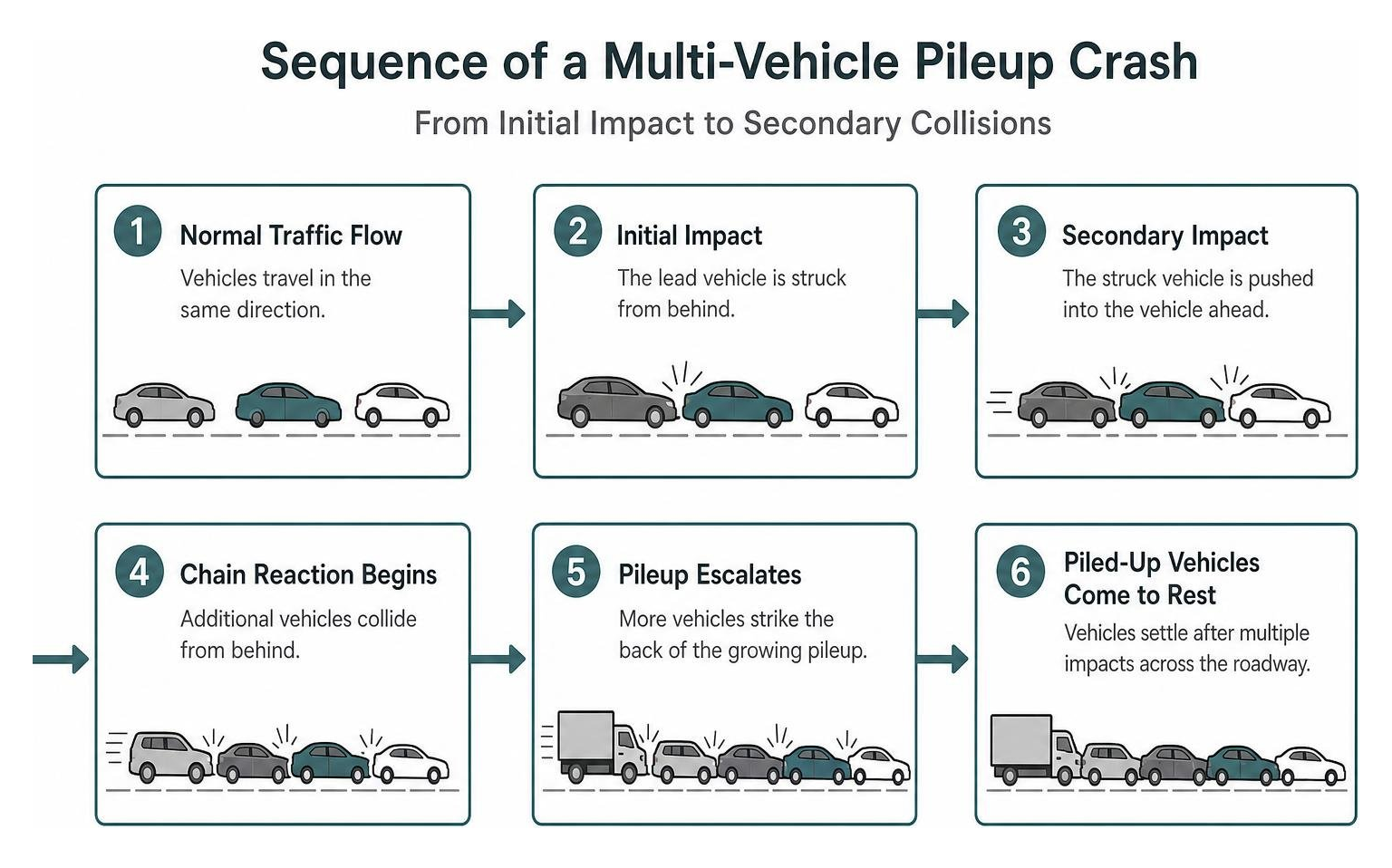
How Multi-Car Pileups Differ from Standard Crashes
Standard two-car collisions typically involve straightforward questions: Did one vehicle run a red light? Did a rear car follow too closely? In contrast, multi-car collisions involve secondary collisions, multiple impact points, and overlapping debris fields.
A driver might come to a safe stop behind sudden traffic, only to be rear-ended by another vehicle and shoved into the car ahead. Moments later, a fourth or fifth vehicle might strike the pileup from behind. In such scenarios:
- Multiple victims suffer secondary impacts that aggravate original injuries.
- Physical damage makes it hard to distinguish which impact broke which part of a vehicle.
- Dozens of claimants may compete for the same limited insurance policy payouts.
- Determining who is legally responsible often requires examining intersection patterns or lane changes, which is why reviewing the ultimate guide to finding an intersection accident lawyer can shed light on right-of-way disputes.
Common Causes of Multi-Vehicle Crashes
Chain reactions rarely have a single isolated cause. Instead, they stem from a combination of bad timing, adverse road conditions, and driver error. Common catalysts include:
- Distracted Driving: Drivers looking at smartphones fail to spot braking traffic ahead, triggering initial collisions.
- Tailgating: Following too closely leaves zero reaction time when lead cars brake abruptly.
- Adverse Weather: Sudden Southern downpours create hydroplaning conditions and blinding spray on high-speed bridges.
- Sudden Lane Changes: Darting across multiple lanes cuts off other motorists and forces panic stops.
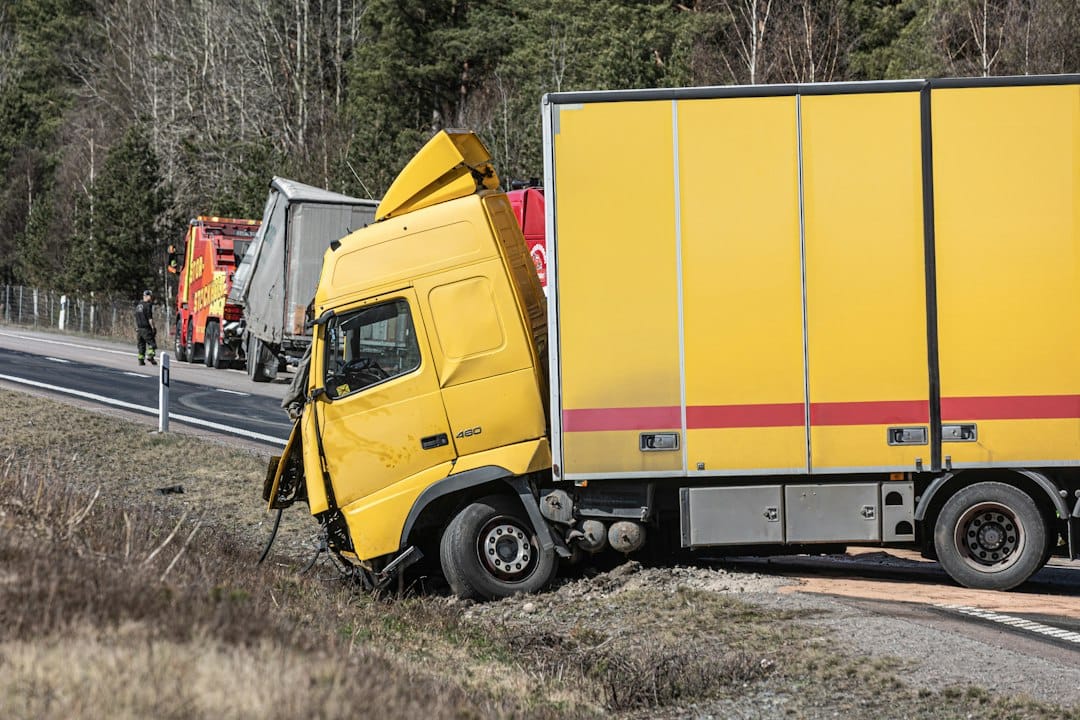
- Commercial Vehicle Brake Failures: Heavy freight trucks require significant stopping distance. When mechanical issues or driver fatigue prevent a semi-truck from stopping, the resulting force can crush multiple passenger cars. In these complex cases, working with a dedicated New Orleans truck accident attorney is critical to obtaining electronic logging and maintenance records.
Determining Fault and Legal Liability Across Multiple Drivers
Establishing who owes compensation after a multi-car collision requires proving negligence for each impact. Every driver on the road owes a duty of reasonable care to others. When a motorist breaches that duty by speeding, texting, or failing to maintain their brakes, they can be held liable for the resulting damage.
In a pileup, liability is rarely all-or-nothing. Multiple drivers may share varying degrees of fault.
| Crash Scenario | Typical Primary Fault | Potential Secondary Fault | Key Evidence Needed |
|---|---|---|---|
| 3-Car Rear-End Accordion | Rearmost driver who initiated the chain reaction | Middle driver (if following too closely or stopped without working brake lights) | Dashcam footage, paint transfer analysis, black box telemetry |
| Multi-Lane Interstate Pileup | Initial driver who lost control or spun out | Following drivers traveling at excessive speeds for weather conditions | Traffic camera video, witness statements, accident reconstruction reports |
| Commercial Rig Override | Truck driver/carrier for hours-of-service violations or brake failure | Passenger vehicles making erratic lane cuts in front of the truck | Electronic logging devices (ELD), maintenance logs, dashcam video |
In many pileups, liability extends beyond individual motorists. If a crash was triggered by a defective auto part or an impaired commercial contractor driving a company vehicle, you may have grounds for third-party negligence claims against corporations, parts manufacturers, or municipal entities.
Comparative Fault Rules and Compensation Limits
States handle shared responsibility through legal doctrines known as comparative negligence or comparative fault. These rules directly impact how much financial recovery you can receive if you share any blame for the incident.
- Pure Comparative Fault: Some jurisdictions allow you to recover damages even if you were 90% at fault, reducing your payout by your percentage of responsibility.
- Modified Comparative Fault: In states using modified systems (such as Michigan’s modified comparative negligence framework), you can only recover compensation if your share of fault is below 51%. If you are found 51% or more responsible, you are barred from collecting damages.
- No-Fault Insurance Systems: Under no-fault laws, your own insurer covers initial medical bills and basic lost wages through Personal Injury Protection (PIP), regardless of who caused the wreck. For example, in Michigan, PIP claims must be filed within one year of the accident. However, victims can still pursue third-party lawsuits against negligent drivers for severe, catastrophic injuries and non-economic damages, subject to strict statutes of limitations (such as three years).
Understanding these statutory deadlines is essential. Deadlines differ significantly by location; for example, reviewing Louisiana’s statute of limitations guidelines shows how strict filing timelines can permanently bar an unfiled claim.
Why You Need a Multi-Vehicle Accident Lawyer to Prove Negligence
When four different drivers point fingers at each other, insurance adjusters look for any excuse to deny claims. An experienced car accident lawyer in New Orleans steps in to protect you against unfair blame.
Our team at the J Reese Law Firm conducts thorough investigations to uncover what truly happened. We work with accident reconstruction professionals, analyze roadway marks, subpoena event data recorders, and cross-examine witnesses to present clear proof of how each impact unfolded.
Evidence Collection and Critical Steps After a Multi-Car Accident

What you do in the moments and days following a pileup can make or break your personal injury claim. Because the scene involves multiple motorists and damaged vehicles, details get chaotic very quickly. Knowing what to do after a car accident ensures that your health comes first and your legal rights stay protected.
- Call 911 Immediately: Request emergency medical personnel and law enforcement to the scene. An official police report is vital for documenting driver identities and road conditions.
- Move to Safety: If your car is operational and blocking active interstate traffic, pull onto the shoulder if safe to do so. If not, exit the vehicle and move behind a concrete barrier or guardrail to avoid secondary collisions.
- Document the Scene Thoroughly: Use your smartphone to take comprehensive photos and videos of all vehicles involved, license plates, skid marks, road hazards, street signs, and visible injuries.
- Gather Contact Information: Collect names, phone numbers, driver’s license numbers, and insurance policy details from every motorist involved, as well as contact info from neutral witnesses.
- Watch What You Say: Be polite, but never apologize or say “I didn’t see you.” Statements made in shock can be misconstrued as admissions of fault.
- Seek Medical Treatment Promptly: Even if you feel fine initially, adrenaline masks severe injuries. A prompt medical exam establishes a clear link between the crash and your physical condition.
Essential Evidence for Proving Multi-Party Fault
Proving fault across multiple drivers requires concrete, objective evidence. When building a case, we gather and preserve:
- Dashcam and Surveillance Footage: Video from dashcams, nearby businesses, and traffic surveillance cameras provides an indisputable record of the collision sequence.
- Police Crash Reports: Officer diagrams, citations issued, and initial statements recorded at the scene.
- Event Data Recorders (Black Boxes): Electronic modules in modern passenger vehicles and commercial trucks that record speed, braking force, throttle position, and steering angles leading up to an impact.
- Electronic Logging Devices (ELDs): Crucial records in truck crashes showing driver duty hours and potential fatigue violations.
- Debris Field and Skid Mark Analysis: Measurements showing braking points, vehicle trajectories, and collision points.
- Medical Diagnostic Records: Imaging and treatment logs that correlate physical trauma to specific collision forces, similar to what evidence you need to win a traumatic brain damage claim.
Medical Documentation and Catastrophic Injury Assessment
Multi-impact pileups frequently cause severe, life-altering injuries due to violent secondary collisions and cabin crushing. Handling these complex medical claims requires navigating severe accident claims with a catastrophic injury attorney who understands long-term prognosis, future rehabilitation costs, and permanent disability calculations.
Common catastrophic injuries sustained in multi-car collisions include:
- Traumatic Brain Injuries (TBIs): Caused by direct head impacts against steering wheels, windows, or severe rotational acceleration. Consulting a traumatic brain injury attorney ensures that cognitive deficits and long-term care needs are fully accounted for.
- Spinal Cord Trauma and Paralysis: Spondylolisthesis, herniated discs, or severed spinal cords leading to partial or complete loss of mobility.
- Crush Injuries and Broken Bones: Severe fractures caused by collapsed vehicle doors and crumpled engine bays.
- Internal Organ Damage: Lacerations to the liver, spleen, or kidneys caused by severe seatbelt deceleration forces or penetrating debris.
Why Hiring a Dedicated Multi-Vehicle Accident Lawyer Matters
When three, four, or ten insurance carriers are involved in a single accident, every adjuster looks out for their company’s bottom line. Their goal is to delay payouts, shift blame to other drivers, or offer quick, undervalued settlements before you discover the full extent of your injuries.
A dedicated multi-vehicle accident lawyer manages all communications, ensuring your words are never twisted by insurance adjusters looking to reduce their company’s liability.
Negotiating with Multiple Insurance Adjusters
Handling multiple adjusters simultaneously is an overwhelming administrative task. One insurer might claim their driver stopped safely before being pushed into you, while another claims your abrupt braking caused the whole chain reaction.
Furthermore, if an insurer refuses to settle within policy limits despite clear evidence of liability, we can pursue remedies against unfair practices with help from a bad faith insurance attorney. We coordinate all discussions to ensure settlement funds are distributed fairly and in accordance with actual liability.
Working with a Multi-Vehicle Accident Lawyer on Serious Injury Claims
When injuries are severe, standard insurance settlements often fall short of covering true long-term costs. We build detailed claims that demand full financial recovery across all available policies, seeking compensation for:
- Economic Damages: Past and future medical expenses, prescription costs, physical therapy, home modifications, and lost earning capacity.
- Non-Economic Damages: Pain and suffering, mental anguish, loss of enjoyment of life, and emotional distress.
- Wrongful Death Damages: In fatal crashes, surviving family members can work with a compassionate wrongful death attorney to recover funeral expenses, lost financial support, and compensation for the loss of companionship.
Frequently Asked Questions About Multi-Vehicle Collisions
Who is typically found at fault in a chain-reaction rear-end crash?
In a standard chain-reaction rear-end crash, primary fault often rests with the rearmost driver who initiated the impact sequence by failing to stop in time. However, fault can also be shared if middle drivers were tailgating, stopped without working brake lights, or cut abruptly in front of others. Investigators analyze damage patterns, event data recorders, and skid marks to allocate fault percentages appropriately across all responsible parties.
What happens if multiple insurance policies do not cover all the damages?
In massive pileups, the combined property damage and bodily injury claims often exceed the at-fault drivers’ policy limits. When this occurs, settlements may be prorated among injured claimants. To ensure you receive full compensation, your attorney can tap into your own Underinsured Motorist (UIM) coverage, identify third-party corporate liability, or pursue personal assets from negligent parties where appropriate.
How long do I have to file a multi-vehicle accident lawsuit?
Deadlines vary by state and claim type. In some states, such as Michigan, you generally have three years to file a third-party personal injury lawsuit, but only one year to submit your mandatory personal injury protection (PIP) insurance claim. In Louisiana, tort claims must be filed within strict statutory deadlines. Because crucial evidence such as video footage and vehicle telemetry can be erased within weeks, you should contact legal counsel as soon as possible after a crash.
Protect Your Legal Rights and Secure the Recovery You Deserve
Multi-car pileups leave behind serious injuries, massive vehicle damage, and insurance carriers eager to shift blame. Trying to negotiate with multiple adjusters while recovering from physical trauma places you at a severe disadvantage. You do not have to carry this burden alone.
At J Reese Law Firm, we take on complex multi-vehicle cases, uncover the facts, and stand up against big insurance companies to pursue every dollar you are owed. Reach out to our team today for dedicated personal injury representation and schedule a free, no-obligation case evaluation.