When a traffic accident happens on a standard road, determining fault usually centers on two drivers. One motorist might have run a red light, failed to yield, or followed another vehicle too closely. In contrast, a collision inside a roadwork zone involves an intricate layer of traffic rerouting, physical hazards, heavy machinery, and temporary road geometry.
Work zone collisions differ fundamentally from standard motor vehicle crashes because the road environment itself is actively being altered. When road work is underway, drivers face sudden lane drops, confusing detours, unpaved surfaces, hidden warning signs, and concrete barriers positioned inches from live lanes.
The table below outlines the clear distinctions between standard vehicle accidents and roadwork crashes:
| Feature | Standard Car Accident | Work Zone Collision |
|---|---|---|
| Primary Risk Factors | Driver error, speeding, weather conditions | Confusing traffic shifts, missing signs, drop-offs, driver error |
| Potentially Liable Parties | Usually limited to drivers involved | Drivers, contractors, subcontractors, site engineers, government entities |
| Evidence Preservation | Police reports, vehicle damage, skid marks | Rapidly changing site layout, shift logs, temporary sign placement |
| Regulatory Standards | Standard traffic codes | Traffic control plans, OSHA standards, state highway specifications |
Because these crashes involve multiple layers of responsibility, recovering fair compensation requires a deep understanding of work zone safety rules and traffic engineering guidelines. You can learn more about navigating these complex cases in our New Orleans Construction Accident Lawyer Guide.
Common Causes of Construction Zone Accidents
Highway maintenance zones and municipal roadwork sites present constant hazards for drivers and road crews alike. Some of the most frequent causes of construction zone accidents include:
- Distracted Driving: Drivers who look away from the road miss temporary speed reduction signs, lane closure warnings, and flashing arrow boards.
- Excessive Speed: Driving at normal speeds through narrowed lanes or sharp detours reduces reaction time when traffic slows abruptly.
- Missing or Misplaced Signage: If warning signs are placed too close to a merge point—or obscured by trees or equipment—drivers cannot safely react in time.
- Unmarked Pavement Drop-Offs: Sudden height differences between lanes or along road shoulders can cause drivers to lose control or suffer severe tire blowouts.
- Inadequate Nighttime Lighting: Poorly lit work areas make it difficult for drivers to spot lane shifts, concrete barriers, or roadside personnel.
- Flagger Negligence: Inattentive or poorly trained flagging personnel who give conflicting signals can direct opposing lines of traffic directly into each other.
Who Can Be Held Liable for a Work Zone Crash?
Establishing fault after a work zone wreck requires evaluating every party involved in constructing, managing, and navigating the site. Depending on the circumstances, liability may rest with:
- At-Fault Drivers: Motorists who speed, tailgate, or drive while distracted remain a primary cause of work zone pileups.
- General Contractors: The primary firm managing the project is obligated to maintain a reasonably safe traffic passage and comply with approved traffic control plans.
- Subcontractors and Flagging Services: Independent teams tasked with managing traffic signals or operating specific machinery can be held accountable for direct operational errors.
- Site Engineers and Designers: If the approved detour or temporary lane alignment created an inherent physical hazard, design errors may contribute to fault.
- Government Agencies: Departments of transportation, such as the Louisiana Department of Transportation and Development (DOTD) or local municipal public works offices, may face claims if they failed to inspect or properly maintain public roadways.
- Equipment Manufacturers: Defective safety barriers, malfunctioning warning lights, or mechanical failures in heavy equipment can lead to third-party product liability claims.
What to Look For in a Construction Zone Accident Attorney
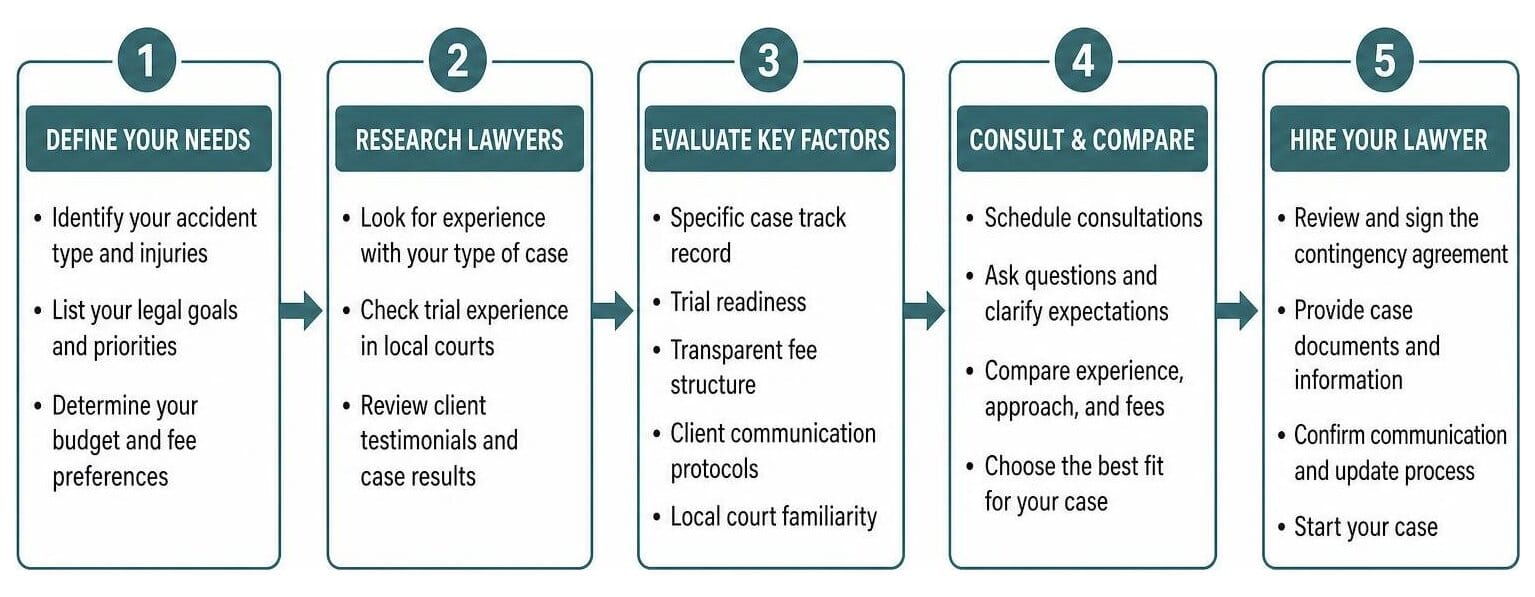
Choosing the right legal advocate after a serious work zone crash can significantly impact the outcome of your claim. Construction site collisions involve dense regulatory codes, corporate defense teams, and complex insurance policies. When evaluating legal representation, you should look for specific qualifications that show a firm can take on well-funded opponents.
We encourage crash victims to evaluate several important criteria, including:
- A Proven Track Record in Complex Litigation: Look for an attorney who regularly handles multi-party personal injury cases rather than standard, minor property damage claims.
- Hands-On Trial Experience: Insurance companies know which lawyers settle quickly for low offers and which ones are fully prepared to present a case to a jury.
- Substantial Team Resources: Investigating a work site requires financial capital to consult traffic safety professionals, retain accident reconstructionists, and secure official site records.
- Transparent Contingency Fee Structures: You should never pay upfront out-of-pocket legal fees. A trustworthy legal team operates on a contingency fee model, taking payment only when money is recovered for you.
- Clear and Direct Communication: You deserve regular updates on your medical progress, evidence gathering, and settlement negotiations.
For additional detailed advice on choosing legal counsel, explore our breakdown on How To Choose The Best Personal Injury Attorneys In New Orleans La.
Key Questions to Ask a Construction Zone Accident Attorney
When you meet for an initial case consultation, asking targeted questions will help you determine if the firm is the right fit for your situation:
- How many work zone or complex commercial collision cases have you handled recently?
- What is your strategy for identifying all potentially at-fault parties, including contractors and public agencies?
- Will you hire traffic safety and engineering reconstruction witnesses to examine my accident?
- How often will I receive updates regarding the status of my claim?
- What out-of-pocket costs am I responsible for if we do not win the case?
How a Construction Zone Accident Attorney Investigates Complex Evidence
Building a successful claim after a highway construction wreck requires taking fast action to collect evidence. At J Reese Law Firm, we begin investigating immediately to preserve critical details before the worksite shifts or repairs are finished.
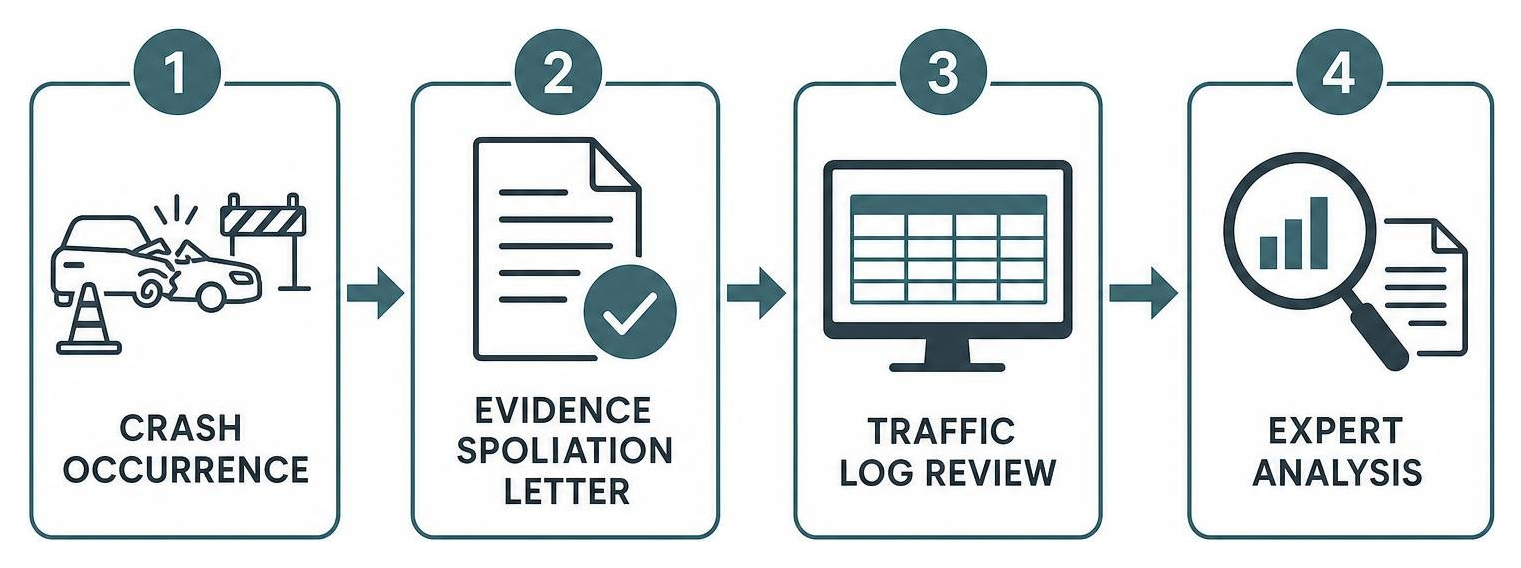
Our investigation strategy includes sending formal spoliation letters to contractors, equipment rental companies, and government entities. These legal notices instruct all parties to preserve vital records, including:
- Daily job logs and work site inspection records
- Approved state or municipal traffic control plans
- Subcontractor agreements and site safety meeting notes
- Dashcam footage, traffic camera video, and surveillance recordings
- Federal Occupational Safety and Health Administration (OSHA) citations or prior safety violation reports
- Maintenance and inspection records for any heavy machinery involved
By analyzing these records against federal highway standards and local traffic control guidelines, we build clear evidence of negligence.
Essential Legal Steps After a Work Zone Collision
The moments following a highway crash can feel overwhelming, but taking prompt physical and legal steps will safeguard your health and strengthen your personal injury claim. To learn more about navigating post-crash protocols, review our comprehensive resource on What To Do After A Car Accident In Louisiana.
- Call Emergency Services: Immediately request police officers and emergency medical personnel to the scene. An official police report provides foundational evidence for your claim.
- Seek Complete Medical Evaluation: Let paramedics check you over at the scene and follow up with an emergency room or physician right away. Some serious physical injuries, like concussion or internal bleeding, may not show clear symptoms immediately.
- Report the Accident to Your Insurer: Provide basic facts about the crash to your insurance carrier, but refrain from giving detailed recorded statements until you speak with legal counsel.
- Avoid Discussing Fault: Do not apologize or admit responsibility to other drivers, construction workers, or insurance adjusters at the scene.
- Contact an Experienced Personal Injury Team: Engaging a construction zone accident attorney early helps shield you from pressure tactics by insurance adjusters while your claim is built.
Documenting Site Conditions Before Evidence Changes
Because road construction sites are dynamic environments, physical evidence can disappear within days—or even hours—as crews resurface roads and alter lane setups. If your injuries allow, try to capture as much detail at the scene as possible:
- Take wide and close-up photos of all vehicle damage, skid marks, and scattered debris.
- Photograph the layout of orange cones, concrete barriers, barrel indicators, and electronic arrow boards.
- Document missing, hidden, or confusing advance-warning road signs.
- Capture images of any unposted pavement drop-offs, loose gravel, or unlit equipment parked near active lanes.
- Collect contact details and statements from eyewitnesses and passing drivers who saw the collision occur.
If you are unable to take photos due to severe injuries, ask a trusted family member or contact our office so we can send an investigator to the scene.
Navigating State Laws and Short Claim Deadlines
Filing a injury claim in Louisiana involves navigating strict statutory deadlines. Historically, Louisiana enforced a short one-year prescriptive period for personal injury claims. For torts occurring on or after July 1, 2024, Louisiana Civil Code Article 3492.1 extended the general prescription period for personal injury actions to two years. You can read a complete breakdown of how these time limits operate by visiting Louisianas One Year Statute Of Limitations.
However, claims involving state or municipal government agencies follow very specific procedural hurdles. If your crash was caused by improper road design, missing state signage, or negligence by a public entity like the Louisiana DOTD, strict notice requirements apply. Failing to submit formal administrative notices within shortened statutory windows can permanently bar your recovery. Working with a knowledgeable legal team ensures every notice deadline is met.
Frequently Asked Questions About Work Zone Claims
How long do I have to file a work zone injury claim?
For most personal injury accidents occurring in Louisiana, you have two years from the date of the collision to file a civil lawsuit. However, if your claim involves a public agency, city municipality, or state transportation department, formal written administrative notices may be required much sooner. Because missing these deadlines can defeat an otherwise valid claim, we recommend consulting a legal professional immediately after receiving medical care.
What types of financial compensation can I recover?
If you were injured due to the negligence of a driver, contractor, or government entity in a construction zone, you may be entitled to both economic and non-economic damages. A thorough recovery plan accounts for both immediate costs and long-term financial impacts:
- Medical Expenses: Coverage for emergency room visits, surgery, hospitalization, prescription medications, physical therapy, and necessary long-term care.
- Lost Income: Full reimbursement for wages missed while recovering from your injuries.
- Loss of Future Earning Capacity: Compensation if physical impairment limits your ability to return to your previous occupation.
- Pain and Suffering: Financial recovery for physical pain, emotional distress, anxiety, and loss of enjoyment of life.
- Property Damage: Payment to repair or replace your damaged vehicle and personal property.
To explore the total value of your potential claim, refer to our detailed guide on New Orleans Personal Injury Your Guide To Getting Every Dollar You Deserve.
Can I pursue a claim if I was partially at fault?
Yes. Louisiana applies a pure comparative fault system under Louisiana Civil Code Article 2323. Under this doctrine, you are not automatically barred from financial recovery even if you shared partial responsibility for the collision. Instead, your final financial award is reduced in direct proportion to your percentage of fault.
For example, if a court determines that a contractor’s missing detour signs were 80% responsible for your crash, but you were driving 20% over the posted work zone speed limit, you can still recover 80% of your total assessed damages. Our goal as your legal advocates is to present clear evidence showing the maximum percentage of fault lies with the negligent contractors and drivers.
Take Control of Your Financial Recovery Today
Navigating a personal injury claim after a road construction crash requires detailed investigation, fast evidence gathering, and clear proof of multi-party fault. When complex road shifts, contractor negligence, or sudden lane drop-offs leave you facing steep medical bills and lost income, you do not have to handle the legal burden alone.
Our team at J Reese Law Firm stands ready to protect your rights, deal directly with insurance adjusters, and pursue every dollar of compensation you deserve under the law. Contact our office today for a free, confidential case evaluation with an experienced New Orleans Personal Injury Lawyer. We will help you understand your legal options and build a clear path toward financial recovery.