Finding a Construction Site Accident Lawyer in New Orleans
If you were hurt on a New Orleans jobsite, get medical care, report the injury, and save any photos or witness names you can. Then speak with a construction site accident lawyer who can review both workers’ compensation benefits and whether a contractor, property owner, or equipment maker may be responsible for your injuries.
Workers’ compensation may pay for medical care and part of your lost wages. If another party was at fault, a separate claim may also allow you to seek compensation for pain and suffering. An early review can help preserve evidence before the jobsite changes.
I’m Justin Reese, and I’ve handled personal injury and wrongful death litigation involving severe harm since 2011. In this guide, I’ll explain what to look for in a construction site accident lawyer and what to do next.
Understanding Construction Site Hazards and OSHA’s Fatal Four
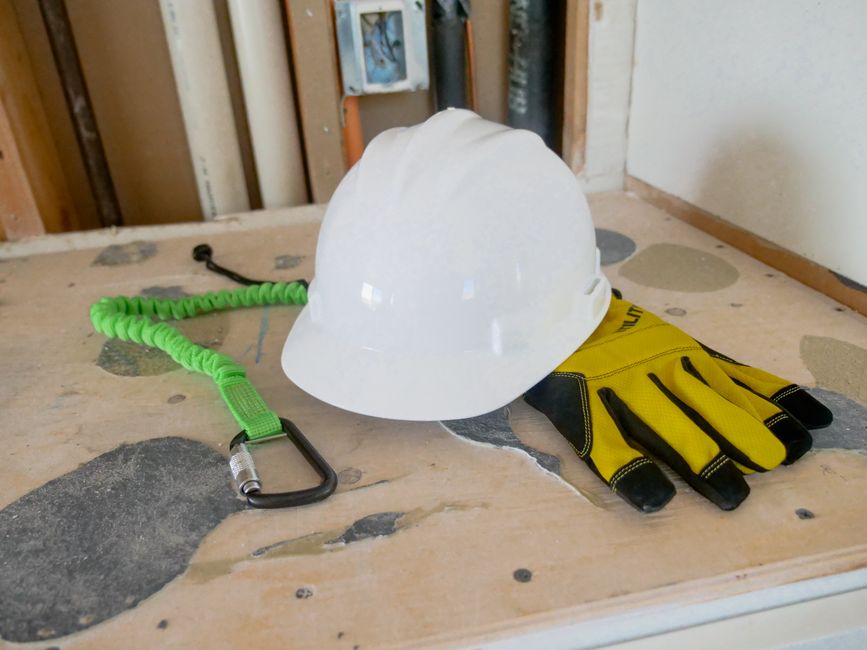
Commercial and residential building sites are dynamic work environments where heavy machinery, active electrical lines, elevated staging areas, and various trade contractors operate in close proximity. When site supervisors cut corners or disregard safety standards established by the Occupational Safety and Health Administration (OSHA), workers face severe physical risks.
Data compiled by OSHA highlights the primary hazards responsible for the vast majority of workplace fatalities across the building industry, commonly referred to as the “Fatal Four”:
- Falls: Accounting for 39.2% of construction worker deaths, falls remain the leading cause of fatal workplace incidents nationwide. Unprotected roof edges, missing guardrails on scaffolding, unstable ladders, and improperly covered floor openings contribute directly to elevation-related disasters.
- Struck-By Incidents: These accidents represent 8.2% of construction fatalities. Workers face traumatic injury when struck by moving trucks, swinging crane loads, falling hand tools, or unfastened structural materials dropped from higher floors.
- Electrocutions: Causing 7.3% of deaths on construction jobs, electrical shocks occur from contact with overhead power lines, exposed wiring, defective power tools, or improperly grounded generator equipment.
- Caught-In or Caught-Between Hazards: Accounting for 5.1% of fatal events, these occur when workers are pinned, crushed, or compressed between heavy machinery, collapsing trench walls, rolling pipe segments, or shifting materials.
Reviewing New Orleans construction accident legal options helps injured laborers evaluate whether a regulatory breach contributed to their injuries. When safety rules are ignored, identifying the exact source of noncompliance is essential for building a strong legal claim.
When to Hire a Construction Site Accident Lawyer After an On-The-Job Injury
A serious jobsite accident brings immediate medical trauma along with sudden financial strain. While employers often present workers’ compensation as an injured worker’s only remedy, standard workers’ comp benefits frequently fall short of covering the full economic and physical damage of a life-changing event.
5 Signs You Should Contact a Construction Site Accident Lawyer
Consider speaking with a lawyer promptly when any of these five signs applies:
- Your injuries are serious or may require ongoing care. Fractures, head injuries, spinal injuries, amputations, and other severe harm can create medical and financial losses that workers’ compensation may not fully address.
- Someone other than your employer may have caused the accident. A general contractor, subcontractor, property owner, delivery company, or equipment manufacturer may have separate legal responsibility.
- A safety failure may have contributed to the injury. Missing fall protection, unsafe scaffolding, exposed electrical hazards, defective equipment, or poor site coordination can point to important evidence of fault.
- An insurer or company representative wants a statement or quick settlement. Early legal guidance can help protect your claim before you sign documents or make statements that may be used against you.
- Evidence could disappear or the filing deadline may be approaching. Jobsite conditions, surveillance footage, equipment, and witness memories can change quickly, so prompt investigation matters.
These signs do not guarantee a claim, but they are strong reasons to seek a legal review of the accident and potential sources of compensation.
Workers’ compensation typically grants direct employers immunity from standard civil lawsuits, but modern construction sites operate through complex layers of independent businesses. When a general contractor, separate trade subcontractor, delivery driver, or equipment manufacturer causes your injury through negligence, that third party does not share your employer’s legal immunity.
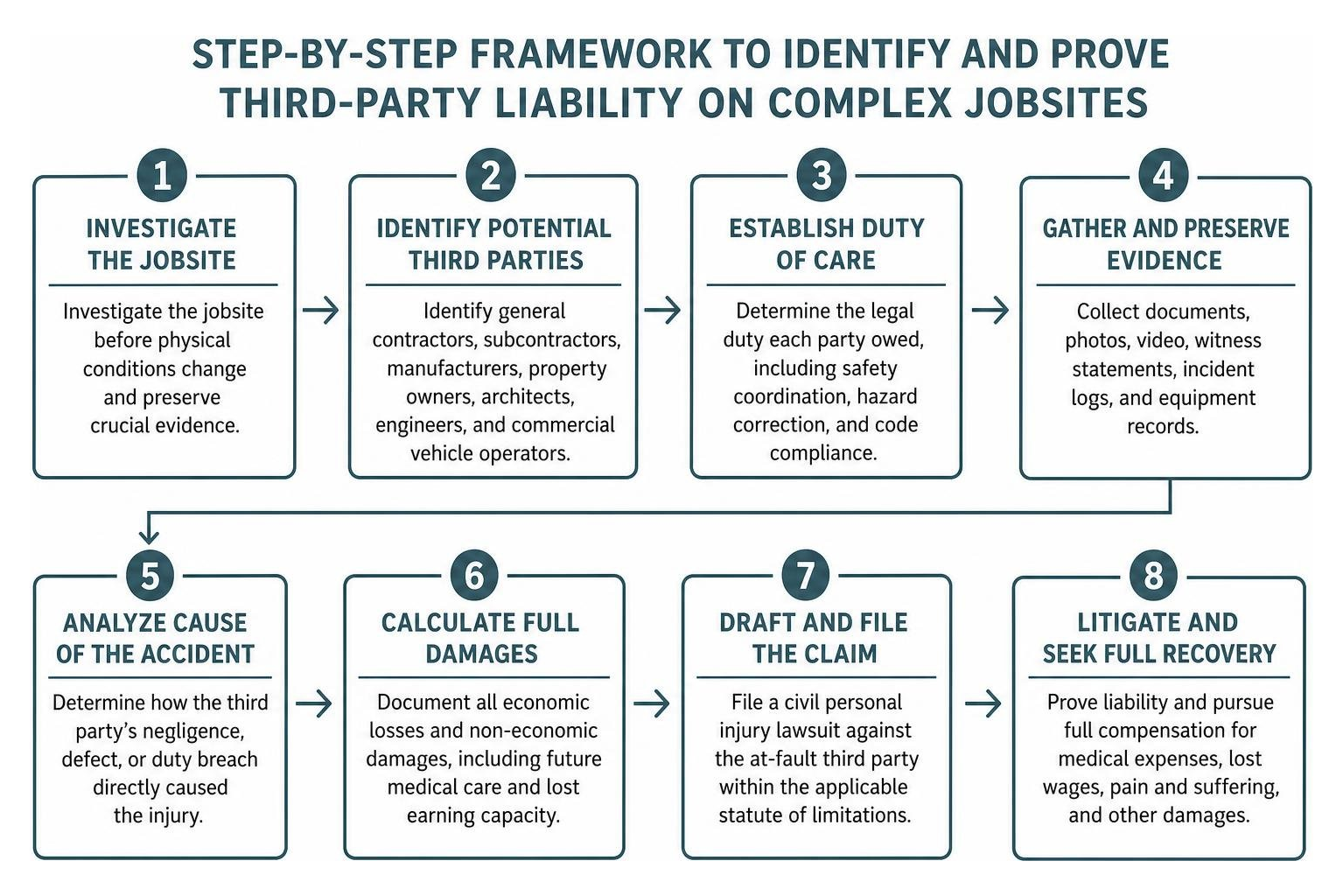
Retaining legal representation early allows us to investigate the jobsite before physical conditions change, preserve crucial evidence, and identify all available insurance policies. For workers handling catastrophic injuries, such as traumatic brain damage, spinal cord trauma, or amputations, securing third-party compensation is critical to protecting lifetime care and financial security.
Workers’ Compensation vs. Third-Party Personal Injury Claims
Understanding the differences between a standard workers’ compensation claim and a civil personal injury lawsuit is essential for maximizing your recovery.
| Benefit / Damage Element | Workers’ Compensation Claim | Third-Party Personal Injury Lawsuit |
|---|---|---|
| Fault Requirement | No-fault system; benefits paid regardless of who caused the incident | Must prove legal negligence, defect, or duty breach against the defendant |
| Medical Expenses | Covers authorized medical care and rehabilitation | Recovers past, present, and projected future medical expenses from any provider |
| Lost Wages | Pays a percentage of average weekly wages up to a statutory state cap | Recovers 100% of past lost wages and all future lost earning capacity |
| Pain and Suffering | None; non-economic damages are completely excluded | Full recovery for physical pain, mental anguish, and loss of life enjoyment |
| Property & Site Owner Negligence | Not applicable directly to the workers’ comp claim | Recovers full damages through premises liability claims against negligent property owners |
How a Construction Site Accident Lawyer Proves Third-Party Liability
Proving liability beyond direct employer workers’ compensation requires establishing clear evidence that an independent entity breached a legal duty of care. Multi-employer worksites frequently involve overlapping duties, including:
- General Contractor Safety Coordination: General contractors are responsible for managing overall site safety, maintaining shared scaffolding, enforcing hardhat zones, and correcting hazards created by underlying trades.
- Subcontractor Negligence: An electrician who leaves active high-voltage lines exposed or a masonry crew that drops unsecured block onto lower work zones can be held accountable when their actions harm other tradespeople.
- Defective Machinery and Equipment: If a scaffolding clamp snaps, a crane brake fails, or a safety harness tears under load, the manufacturer may be held liable under product liability laws.
- Architect and Engineering Oversight: Flawed structural blueprints, inadequate shoring calculations, or poor soil bearing assessments can trigger catastrophic trench collapses or structural failures.
- Commercial Vehicle Collisions: Material delivery trucks, concrete mixers, and third-party haulers operating on or near the jobsite must follow traffic safety rules.
Essential Steps and Evidence Collection Following a Jobsite Accident
The hours and days following a construction incident determine the strength of your civil claim. Site conditions change rapidly as trades finish tasks, debris is removed, and machinery moves on to new locations.
Immediate Actions to Protect Your Legal Rights
If you are involved in a construction incident, taking clear, calculated steps preserves your health and protects your legal standing:
- Seek Comprehensive Medical Treatment: Go directly to an emergency facility. Explain exactly how the trauma occurred so doctors document jobsite-related mechanisms of injury in your medical charts.
- Report the Injury in Writing: Notify your supervisor immediately and request a formal written copy of the initial incident report.
- Document the Scene Thoroughly: Use your mobile phone to take wide-angle and close-up photographs of the defective equipment, missing safety rails, tools involved, weather conditions, and visible injuries.
- Identify Witnesses: Collect names, phone numbers, trade specialties, and employer details for every coworker or bystander who saw the event or worked in the immediate area.
- Preserve Physical Evidence: Keep your damaged safety gear, broken harnesses, unwashed work clothes, and hard hat in a secure location without altering them.
- Decline Recorded Insurance Statements: Do not provide recorded interviews or sign liability releases for insurance adjusters representing third-party contractors before consulting legal counsel.
Review our checklist for hiring a construction zone accident attorney to ensure you collect the right documentation before speaking with insurers.
Pursuing Wrongful Death and Fatal Accident Claims
When unsafe working conditions lead to fatal injuries, surviving family members experience overwhelming emotional and financial hardship. Under state law, qualifying beneficiaries can file survival actions and wrongful death claims against negligent third parties.
These claims allow spouses, children, or dependent parents to recover compensation for lost future financial support, funeral and burial costs, medical expenses incurred prior to passing, and the profound loss of companionship and guidance.
Legal Standards, Statutes of Limitations, and Damage Recovery
Construction injury claims operate under specific state laws that govern filing deadlines, safety standards, and comparative fault.
In some jurisdictions, specialized statutes provide heightened protections for laborers working at elevation. For instance, New York Labor Law Section 240, commonly known as the “scaffolding law,” imposes absolute liability on property owners and general contractors when workers suffer gravity-related falls or are struck by falling objects due to inadequate elevation safety devices.
In Louisiana, injury lawsuits depend on proving fault under general tort and premises liability principles. Knowing these distinct legal frameworks ensures every valid claim is properly structured from day one.
Types of Compensation Available in Construction Lawsuits
A successful third-party civil lawsuit allows an injured worker to recover damages that go far beyond standard statutory workers’ compensation payments, including:
- Past and Future Medical Bills: Coverage for emergency surgeries, intensive care stays, diagnostic imaging, physical therapy, and required home modifications.
- Complete Lost Income: Full reimbursement for unearned wages from missed shifts, overtime opportunities, and union benefits.
- Diminished Earning Capacity: Compensation for long-term reduction in earning power when severe physical limitations prevent you from returning to trade work.
- Physical Pain and Suffering: Financial recovery addressing the physical agony and chronic pain caused by severe trauma.
- Mental Anguish and Emotional Distress: Compensation for post-traumatic stress, anxiety, depression, and sleep disruption following a catastrophic event.
- Permanent Disability and Disfigurement: Compensation for severe scarring, loss of limb function, paralysis, or loss of bodily independence.
What to Look for When Choosing a Construction Site Accident Lawyer
Handling construction litigation requires extensive resources, trial preparation, and familiarity with multi-contractor jobsite dynamics. When evaluating law firms, look for key qualifications highlighted in our New Orleans construction accident lawyer guide:
- Direct Trial Preparation: Insurance companies offer fair settlements only when they see that your legal team is fully prepared to take the case before a jury.
- Resource Investment: Complex claims require hiring OSHA compliance analysts, structural engineers, accident reconstruction professionals, and vocational economists.
- Transparent Fee Agreements: Reputable personal injury firms handle construction accident cases on a contingency fee basis, meaning you pay zero upfront costs and no attorney fees unless a financial recovery is secured.
- Co-Counsel Collaboration: Experienced law firms regularly work with referring attorneys under formal fee-sharing agreements that comply with ethical rules, ensuring clients receive top-tier representation without adding extra fees.
Frequently Asked Questions about Construction Site Injury Claims
How long do I have to file a construction accident lawsuit in Louisiana?
In Louisiana, personal injury lawsuits are subject to strict prescriptive periods set by state law. If you fail to file a lawsuit within the statutory deadline following the date of the accident, you lose your right to recover damages. Contacting an attorney immediately through a New Orleans personal injury lawyer consultation ensures that evidence is secured, site logs are preserved, and all legal claims are filed well within statutory limits.
Can I file a lawsuit if I am already receiving workers’ comp?
Yes. Receiving workers’ compensation benefits from your employer’s insurance policy does not prevent you from pursuing a personal injury lawsuit against a negligent third party. While you cannot sue your direct employer outside of rare exceptions such as intentional harm, you can file a separate claim against negligent general contractors, subcontractors, property owners, or equipment manufacturers. Any recovery achieved in a third-party claim accounts for workers’ compensation liens while securing compensation for categories excluded by workers’ comp, such as physical pain and suffering.
What should I do if my accident was caused by a slip and fall on a construction site?
Slip, trip, and fall hazards are widespread on construction sites due to spilled industrial lubricants, accumulated water, unorganized cords, and uncleaned debris. If you slip and fall, immediately take photos of the exact substance or hazard on the ground, document whether warning cones or wet floor signs were missing, note poor lighting, and report the hazard to site management before it is cleaned up. Consulting a slip and fall injury attorney helps hold the responsible maintenance contractor or property owner accountable for unsafe walkways.
Take Action to Secure Your Workplace Injury Recovery
Recovering from a severe jobsite injury requires focused medical treatment, but protecting your family’s financial stability demands decisive legal action. Construction companies, general contractors, and corporate insurance carriers deploy defense teams immediately after an accident to minimize their liability and limit your payout.
At J Reese Law Firm, we stand up for injured tradespeople and their families. We conduct thorough jobsite investigations, review contractor agreements, consult safety professionals, and pursue every negligent party responsible for your injuries. If you or a loved one suffered an injury on a commercial or residential jobsite, reach out to our team for dedicated personal injury representation and a no-cost, confidential evaluation of your claim.