How to Choose an Amputation Accident Lawyer After a Life-Changing Injury
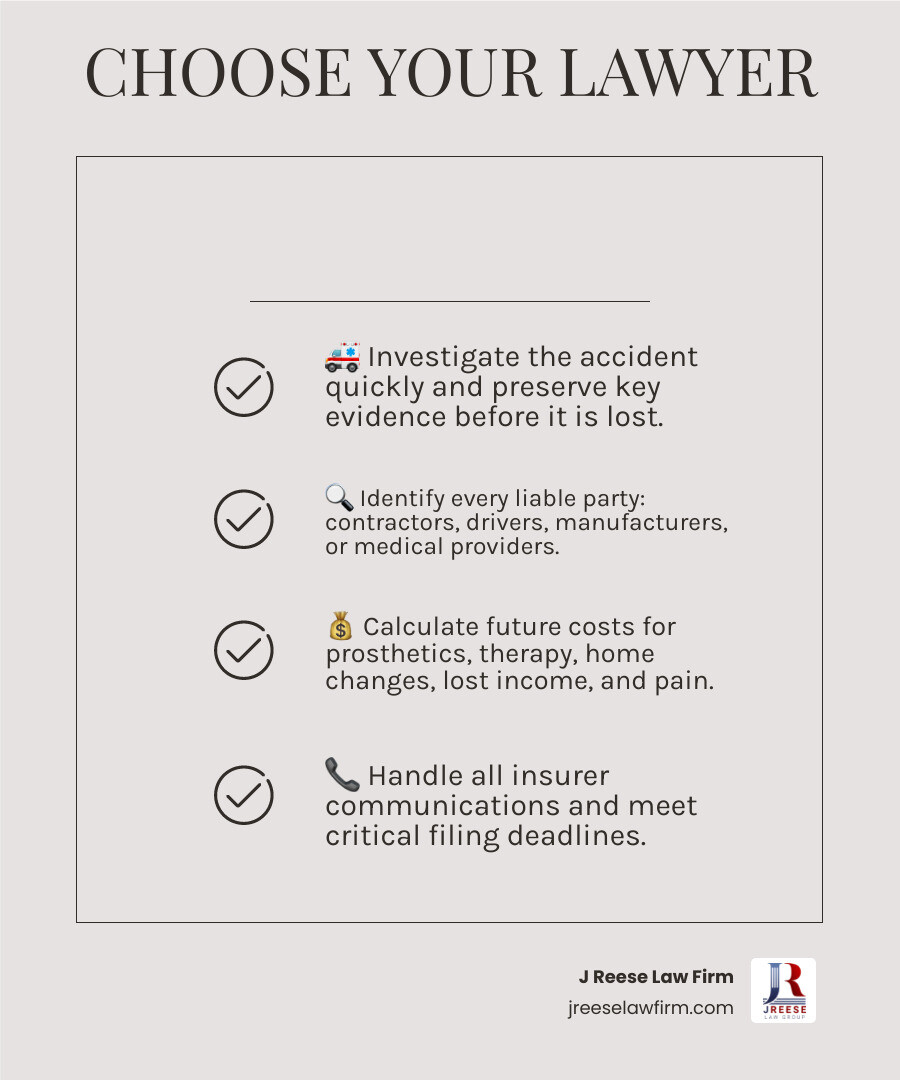
An amputation accident lawyer can help protect your claim while you focus on emergency care and recovery. Choose a lawyer who can:
- Investigate the accident quickly and preserve key evidence.
- Identify every responsible party, including contractors, drivers, manufacturers, or medical providers.
- Calculate future costs for prosthetics, therapy, home changes, lost income, and pain.
- Handle insurer communications and filing deadlines.
Limb loss can follow a vehicle crash, machinery incident, unsafe worksite, defective product, or medical error. The financial impact can last a lifetime, so a claim should account for more than today’s hospital bills.
I am Justin Reese, a civil litigation and personal injury attorney who has represented people facing catastrophic injuries, wrongful death, maritime accidents, and auto collisions since 2011. As an amputation accident lawyer, I understand that strong early investigation and a clear plan for long-term losses can make a meaningful difference.
Amputation accident lawyer glossary:
Understanding Limb Loss: Traumatic vs. Surgical Amputation
Losing a limb alters every single facet of your daily existence in an instant. In catastrophic injury claims, the medical path leading up to limb loss heavily influences how we establish liability, quantify pain and suffering, and project future healthcare needs.
There are two primary categories of limb loss:
- Traumatic Amputation: This occurs instantly during an accident when a body part is torn, severed, or crushed off by external force. These events involve extreme violence, severe tissue contamination, secondary infection risks, and life-threatening blood loss. Emergency triage teams must work rapidly to stabilize vital signs and preserve the severed tissue in the rare event that reattachment is possible.
- Surgical Amputation: This occurs in a controlled operating environment when doctors must remove a limb because it cannot be salvaged. Common triggers include severe crush injuries, extensive degloving (where skin and tissue are ripped away from the underlying muscle and bone), failed reattachment surgeries, unmanageable bone fractures, or runaway systemic infections.
Nearly half of all amputations across the United States stem directly from trauma caused by catastrophic accidents. The legal distinction matters because traumatic injuries frequently involve immediate product failures or severe impact negligence, whereas subsequent surgical amputations require detailed tracking of hospital interventions, surgical complications, and secondary damage.
For a deeper look into the legal nuances surrounding limb loss, explore the ultimate guide to amputation claims with a louisiana amputation lawyer to understand how these cases are structured.
Common Causes of Traumatic Amputations in Catastrophic Injury Claims

Catastrophic limb loss rarely happens without severe negligence, dangerous conditions, or defective equipment. When we evaluate amputation claims across jurisdictions—from heavy industrial corridors to congested transport hubs—we see recurring patterns of preventable harm.
Commercial Vehicle and Highway Collisions
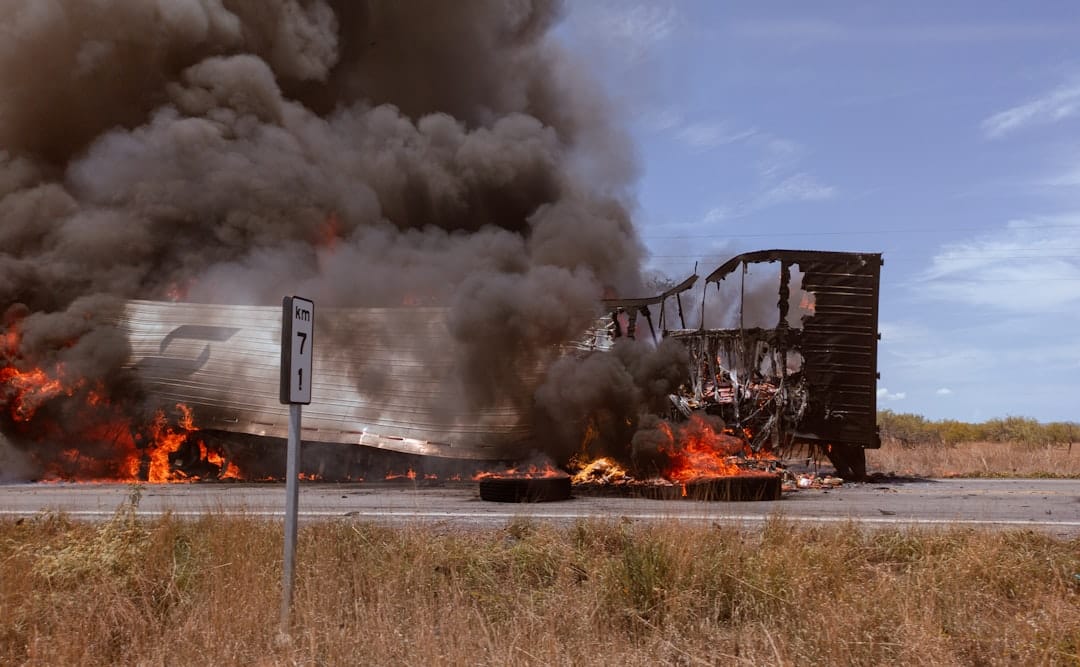
The sheer physics of a collision involving an 80,000-pound tractor-trailer or high-speed motor vehicle often leads to massive cabin intrusion, pinning limbs and causing severe crush trauma. When drivers or carriers cut corners on safety, our practice area new orleans truck accident attorney team investigates driver fatigue, maintenance failures, and cargo loading violations that cause horrific underride or multi-vehicle pileups.
Industrial Machinery and Heavy Equipment
Unguarded conveyor belts, defective power tools, industrial presses, and heavy earthmoving machines can catch loose clothing or limbs in seconds. In fact, in one construction accident case, our team obtained a total settlement of over $5 million from multiple defendants for a traumatic amputation victim who suffered devastating workplace machinery trauma. Review our new orleans construction accident lawyer guide to see how job site safety rules protect workers.
Plant Explosions and Industrial Fires
Catastrophic refinery failures, chemical leaks, and pipeline blowouts subject workers to intense blast waves, flying shrapnel, and severe thermal or chemical burns that destroy soft tissue and bone beyond medical repair. Through our practice area refinery and chemical plant accidents representation, we fight to hold plant operators accountable for bypassed safety systems.
Severe Premises Hazards
Slip, trip, and fall hazards or collapsing structures on unsafe properties can trap and crush extremities. In slip and fall matters, gathering evidence right away—such as taking pictures of the liquid or substance on the floor and taking note of missing wet floor signs—is critical before surveillance tapes are erased or hazards are cleared.
Lifetime Costs and Calculating Compensation in Amputation Lawsuits
An amputation is not a one-time injury; it is a permanent physical condition that requires continuous, lifelong medical intervention. Many insurance carriers attempt to settle claims based only on initial emergency room visits and the first round of surgeries. Doing so drastically undervalues the true cost of living without a limb.
Prosthetic limbs are complex mechanical and bionic devices that experience immense daily wear and tear. A typical prosthetic socket and limb assembly must be repaired or entirely replaced every three to five years, with frequent socket adjustments needed as residual limb volume changes over time.
| Amputation Type | First-Year Prosthetics Cost | Estimated Lifetime Care Cost Range |
|---|---|---|
| Below-Elbow Amputation | $30,000 – $80,000 | $1,000,000 – $3,000,000+ |
| Above-Elbow Amputation | $50,000 – $150,000 | $1,500,000 – $4,500,000+ |
| Below-Knee Amputation | $25,000 – $70,000 | $1,000,000 – $2,500,000 |
| Above-Knee Amputation | $40,000 – $120,000 | $1,500,000 – $4,000,000 |
| Bilateral Lower Limb Loss | $70,000 – $200,000+ | $3,000,000 – $8,000,000 |
| Multiple Limb Amputations | $100,000 – $300,000+ | $5,000,000 – $12,000,000+ |
Non-Economic and Ongoing Economic Damages
Beyond prosthetic devices, a full financial recovery must include compensation for:
- Physical and Occupational Therapy: Re-learning basic activities of daily living, gait training, and muscle strengthening.
- Phantom Limb Pain Management: Ongoing neurological care, targeted nerve stimulation, and specialized pharmaceuticals for debilitating neuropathic pain.
- Accessibility Retrofitting: Widening doorways, installing wheelchair ramps, remodeling bathrooms with roll-in showers, and adapting motor vehicles with hand controls.
- Diminished Earning Capacity: If you worked in manual labor, construction, or skilled trades, limb loss may permanently bar you from your chosen career. We calculate past lost wages and your projected lifetime earning deficit.
- Loss of Enjoyment of Life & Mental Anguish: Accounting for the psychological impact, depression, anxiety, and post-traumatic stress that accompany catastrophic bodily disfigurement.
When evaluating these extensive needs, navigating severe accident claims with a new orleans catastrophic injury attorney ensures that every projected dollar is backed by credible medical and economic models.
How an Amputation Accident Lawyer Proves Liability and Multi-Party Fault

Proving liability in an amputation lawsuit requires an exhaustive investigation that goes far beyond a standard police or incident report. When multiple entities share control of a worksite, roadway, or commercial product, accountability is rarely straightforward.

To build an unassailable case, we deploy a comprehensive investigative process:
- Securing Physical Evidence: We immediately file protective orders and spoliation letters to prevent defendants from repairing, altering, or destroying the machinery, vehicle, or tool involved in the incident.
- OSHA and Safety Regulatory Audits: We scrutinize safety logs, training manuals, and federal compliance records to uncover ignored safety protocols, bypassed machine guards, or missing warnings.
- Strict Product Liability Analysis: If a design defect or manufacturing flaw contributed to the failure, we bring claims against equipment manufacturers, distributors, and component suppliers.
- Multi-Party and Third-Party Negligence: Many serious workplace amputations involve contractors, property owners, or equipment leasing companies outside your direct employer. Pursuing these third party negligence claims new orleans algiers restaurant crash allows you to recover damages far beyond standard benefit caps.
- Forensic and Economic Testimony: We work with life care planners and economic analysts to translate complex medical needs into a clear, lifetime financial requirement that juries and insurance carriers cannot dismiss.
Step-by-Step Guide: What to Do After an Amputation Accident
The steps taken in the immediate aftermath of a severe injury can make a substantial difference in both your physical recovery and your financial protection.
- Prioritize Emergency Medical Intervention: Call 911 immediately. In traumatic amputations, emergency personnel should wrap the severed part in sterile, damp gauze, place it in a sealed waterproof bag, and keep it cool on ice (without direct contact with the ice or water) for transport.
- Document the Incident and Scene: If you or a family member are able, photograph the machinery, vehicle damage, hazardous floor conditions, fluid leaks, missing guards, and any warning signage.
- Identify Eyewitnesses: Collect the names, phone numbers, and employers of everyone who witnessed the incident or observed conditions leading up to the failure.
- Notify Employers or Property Managers in Writing: If injured on the job, submit written notice of the injury promptly to comply with formal reporting requirements, but avoid giving recorded statements about fault.
- Preserve the Physical Equipment: Ensure that the tool, ladder, vehicle, or heavy machinery that caused the injury is quarantined and not placed back into service.
- Decline Early Settlement Offers: Insurance companies often reach out early with quick settlement offers designed to close the file before the full scope of your future medical needs and prosthetic replacement costs is known.
- Retain Legal Counsel: Contact a dedicated attorney immediately to protect your legal rights, manage communications with insurers, and take over the burden of legal filings while you focus on rehabilitation.
You can learn more about finding dependable counsel by reviewing our ultimate checklist for hiring a new orleans accident injury lawyer.
Frequently Asked Questions About Hiring an Amputation Accident Lawyer
What is the statute of limitations to hire an amputation accident lawyer?
The deadline to file an amputation injury lawsuit depends on the state where the incident occurred. The statute of limitations for most personal injury actions in Pennsylvania is two years from the date of injury. Similarly, the statute of limitations for personal injury claims in Texas is generally two years. Because gathering maintenance records, hiring life care planners, and conducting forensic engineering investigations takes considerable time, contacting an attorney as early as possible is vital to preserve physical evidence and meet strict statutory deadlines.
Can I sue my employer for a workplace amputation injury?
While workers’ compensation typically shields direct employers from standard negligence lawsuits, there are significant exceptions. You can often bring third-party personal injury lawsuits against negligent general contractors, property owners, equipment maintenance providers, or defective equipment manufacturers. In certain states, you may also sue an employer directly if the injury was caused by intentional misconduct or gross safety violations.
When should I consult an amputation accident lawyer for medical malpractice?
You should speak with an attorney if surgical amputation was forced by medical negligence. Common medical malpractice scenarios include misdiagnosing or failing to treat acute compartment syndrome, delayed diagnosis of vascular compromise, untreated hospital-acquired infections resulting in surgical sepsis, or severe surgical errors during orthopedic or vascular operations.
Securing Your Long-Term Financial Independence and Recovery
Limb loss presents an overwhelming emotional, physical, and financial challenge, but you do not have to carry that weight alone. Securing a complete financial recovery is about ensuring you have the resources necessary for top-tier medical care, cutting-edge bionic prosthetics, home modifications, and lifelong peace of mind.
At J Reese Law Firm, we dedicate ourselves to holding negligent corporations, reckless drivers, and careless worksite operators fully accountable. We take the burden of insurance disputes and complex litigation off your shoulders so you and your family can focus on healing and reclaiming your independence.
If you or a loved one has suffered an accidental amputation, visit our practice area personal injury page or contact our team today for a comprehensive, confidential case evaluation.