How a Scarring Injury Attorney in Gretna Can Protect Your Claim
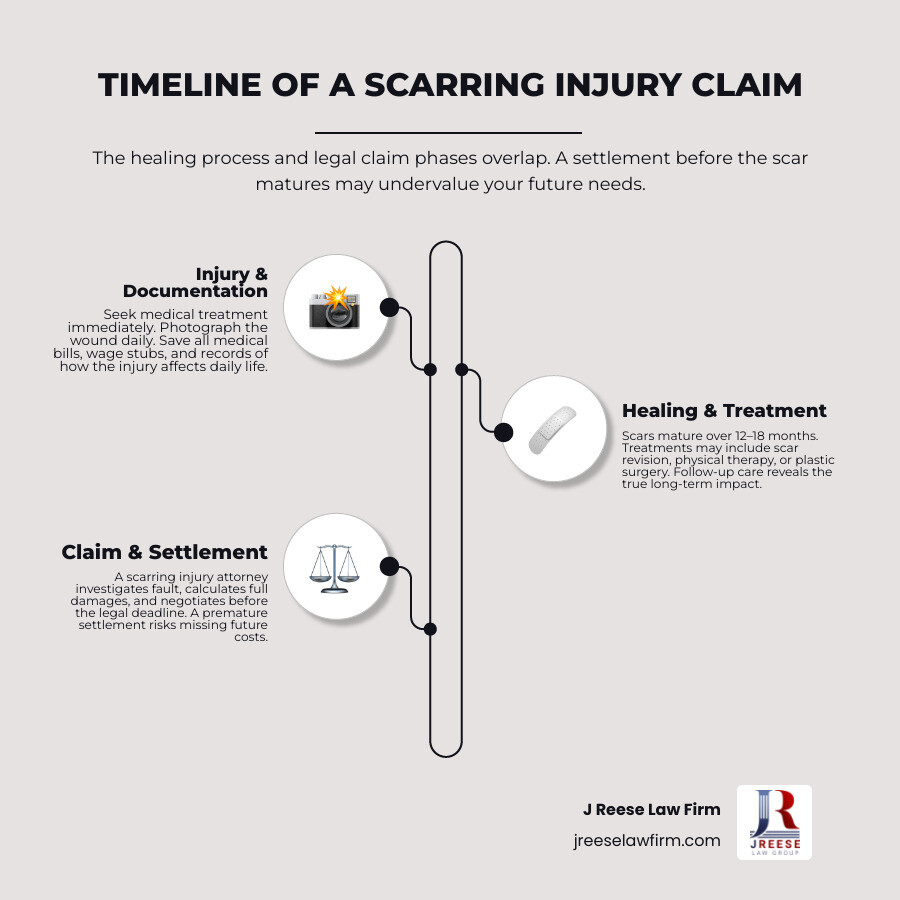
If someone else caused your injury, get medical care, photograph the scar as it heals, and save your bills and work records. Speak with a scarring injury attorney before accepting an insurance offer. A settlement may not cover later treatment, lost income, or the lasting effect of a scar on your daily life.
Scars can change as they heal, so their long-term impact may not be clear right away. A lawyer can investigate who was at fault, document the full cost of the injury, and watch the deadline for filing a claim.
I’m Justin Reese. I’ve handled personal injury and catastrophic injury cases since 2011, and as a scarring injury attorney, I focus on building claims that account for both immediate losses and lasting harm.
Scarring injury attorney terms explained:
Understanding Permanent Scarring and Disfigurement Under Personal Injury Law
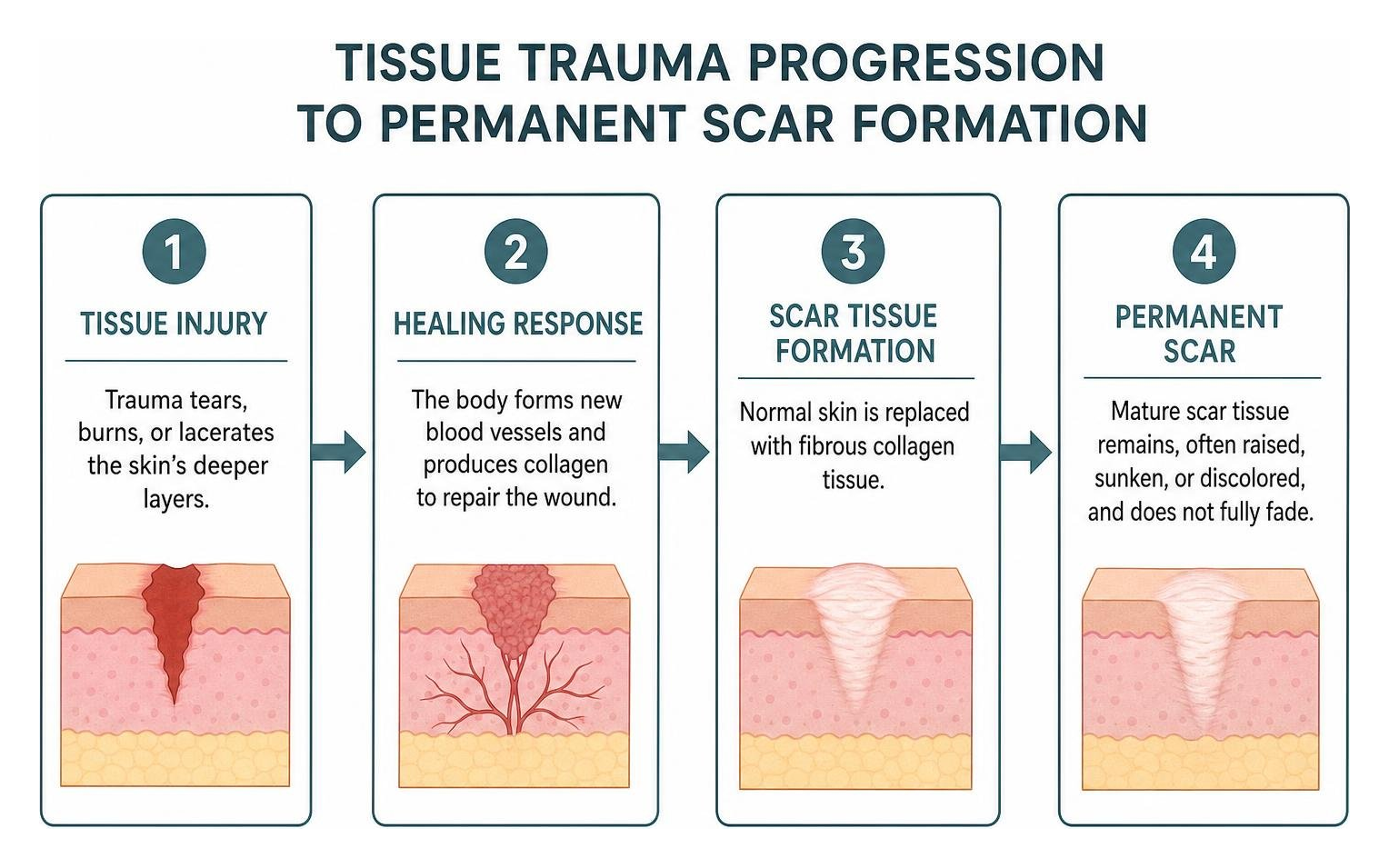
Under personal injury law, permanent scarring and disfigurement represent distinct, life-altering harms that extend well past simple physical recovery. When a severe accident tears, burns, or lacerates deep dermal layers, the body replaces normal skin with fibrous collagen tissue. This process often results in hypertrophic tissue, raised keloid scars, or sunken indentations that never fully fade.
In many legal jurisdictions, disfigurement is recognized as a specific category of compensable harm rather than merely an afterthought to an initial emergency room visit. When an accident leads to catastrophic trauma, victims frequently undergo complex skin grafting and multiple surgical revisions. These injuries leave permanent physical marks that can drastically alter how a person lives, works, and interacts with the world.
Facial Scars and High-Visibility Disfigurement
Facial scarring carries a heavy burden due to its immediate visibility. Lacerations across the cheeks, brow, chin, or lips often involve deep nerve damage, severed muscles, and underlying facial fractures. Unlike injuries concealed beneath clothing, facial disfigurement cannot be hidden during everyday interactions.
Victims frequently face painful social stigma, unwanted stares, and an altered self-image. Repairing aesthetic damage often requires extensive plastic surgery, laser resurfacing, and ongoing dermatological care. Even with excellent medical intervention, complete restoration of the victim’s pre-accident appearance is rarely possible.
Contracture Scars and Mobility Restrictions
Contracture scars typically develop after severe burns, extensive friction injuries, or significant loss of skin tissue. As these scars heal, the newly formed connective tissue tightens and pulls the surrounding skin, muscles, and tendons inward.
When contracture occurs near joints—such as the neck, elbows, knees, or hands—it causes severe functional limitations and permanent mobility restrictions. Managing this condition requires intensive physical therapy, regular myofascial release, and repeated surgical releases just to preserve basic movement and everyday independence.
Common Traumatic Accidents Causing Severe Scarring and Friction Burns

Severe scarring happens in seconds during traumatic incidents, leaving survivors with painful reminders that last a lifetime. In traffic collisions, high velocity and shattering glass present extreme dangers:
- Severe motor vehicle crashes: High-speed collisions can cause deep lacerations from broken windshield glass, sharp metal, or blunt force impacts with the steering column.
- Commercial truck collisions: The massive physical force generated by commercial freight vehicles often causes crushing injuries and severe skin tearing.
- Motorcycle slides: Ejection from a motorcycle frequently causes severe road rash, which acts as a painful friction burn that strips away epidermal and dermal layers down to the bone.
- Bicycle accidents: Cyclists have minimal protection against pavement impact, often suffering deep abrasions and facial injuries during collisions.
Severe Thermal and Chemical Burn Injuries
Few injuries are as physically and emotionally painful as severe burn injuries. Victims exposed to refinery and chemical plant accidents or industrial fires face traumatic epidermal damage that requires immediate hospitalization and isolation to prevent deadly infections.
Chemical burns destroy cellular structures on contact, creating thick, uneven scar tissue that tightens over time. Whether caused by workplace explosions, defective consumer products, or electrical arcs, thermal and chemical burns demand long-term wound care, specialized pressure garments, and extensive surgical reconstruction.
Animal Attacks and Premise Hazard Lacerations
Deep lacerations and disfiguring tissue loss are also common in animal attacks and property hazard incidents:
- Dog Bites and Mauling: Canines inflict crushing puncture wounds and severe tearing, primarily targeting the victim’s face, hands, and forearms.
- Broken Structural Glass: Hazards from shattered retail display cases, unmaintained storefronts, or defective glass doors cause deep arterial cuts.
- Slip and Fall Hazards: Falling onto sharp objects, jagged metal edges, or uneven walking surfaces can tear delicate skin. In premises liability claims, it is vital to take clear pictures of the hazardous substance—such as liquid pooling on a floor—and document the absence of warning or wet floor signs immediately after the incident.
Calculating Economic and Non-Economic Compensation for Disfiguring Scars
A comprehensive compensation claim accounts for both concrete financial losses and subjective personal trauma. Evaluating a scarring claim involves calculating every past, current, and future expense tied to the injury.
| Category | Typical Damage Items Included | Impact on Final Settlement |
|---|---|---|
| Economic Damages | Emergency surgeries, plastic reconstructive procedures, laser revisions, lost income, reduced earning capacity | Calculated using concrete invoices, receipts, and vocational projections |
| Non-Economic Damages | Physical pain and suffering, emotional distress, social isolation, body dysmorphia, loss of enjoyment of life | Evaluated based on scar visibility, location, permanency, and life disruption |
Attorneys fighting for victims of disfiguring injuries know that future medical expenses often eclipse initial emergency costs. Proper financial recovery demands calculating every necessary laser treatment, steroid injection, and future reconstructive surgery.
Quantifying the Psychological Toll and Loss of Enjoyment
The invisible damage of a disfiguring scar can run deeper than physical pain. Victims frequently experience clinical anxiety, post-traumatic stress disorder (PTSD), and severe depression when looking in the mirror. Social isolation is common as individuals withdraw from public settings, hobbies, and intimate relationships to avoid unwanted attention.
In personal injury litigation, these intangible losses represent genuine harm. Psychological evaluations, records from licensed mental health counselors, and personal journals help legal advocates present a vivid, compelling picture of how the disfigurement has altered the client’s everyday life.
How Juries and Insurers Evaluate Scar Value
Insurance adjusters and civil juries weigh several core factors when deciding the monetary value of a scarring injury:
- Location and Visibility: Scars on the face, neck, hands, or forearms generally receive higher valuations than scars covered by normal clothing.
- Age of the Victim: Younger victims may receive larger awards because they will carry the disfigurement through decades of social, professional, and personal milestones.
- Gender and Societal Perceptions: Jurors often evaluate how appearance-related changes uniquely impact a claimant’s personal and professional life.
- Permanence and Severity: Raised, discolored, or uneven scars that cannot be corrected surgically carry higher non-economic values.
- Medical Provider Testimony: Detailed prognoses from board-certified plastic surgeons and dermatologists provide credible proof that the injury is permanent.
Why You Need a Scarring Injury Attorney Before Settling an Insurance Claim

Insurance companies often move aggressively to settle disfigurement claims early, sometimes offering a quick payout within weeks of an incident. Accepting a premature offer is dangerous. Once you sign a liability release, you forfeit your right to seek additional funds if your scar worsens or requires future surgery.
Navigating complex insurance negotiations requires focused advocacy. Working with a dedicated lawyer ensures your case is handled properly, helping you recover maximum damages in Jefferson Parish. Our team handles aggressive insurance adjusters and defends against unfair comparative fault allegations.
How a Scarring Injury Attorney Evaluates Long-Term Damages
A skilled attorney understands that the full extent of permanent scarring cannot be properly evaluated until the skin tissue has fully matured. The medical consensus shows that the full extent of scarring may not be apparent for 12 to 18 months after an injury. During this maturation window, the scar’s color, thickness, and texture continue to evolve.
An experienced lawyer collaborates with your treating physicians, reconstructive surgeons, and vocational planners to draft a comprehensive life care plan. This detailed plan accounts for future scar revision procedures, long-term prescription ointments, therapy sessions, and any reduction in your earning capacity caused by functional or aesthetic limitations.
Proving Fault and Overcoming Insurance Tactics With a Scarring Injury Attorney
Insurance carriers often attempt to downplay scarring as purely cosmetic or argue that the victim was partially at fault for the accident. Experienced advocates counter these strategies through thorough investigations:
- Evidence Preservation: Securing traffic camera footage, black-box data, incident reports, and maintenance records before they are erased.
- Photo Progression Logs: Compiling high-resolution, dated photographs that capture the wound from its raw, open state through every stage of healing.
- Daily Pain and Impact Journaling: Using client daily logs that record physical discomfort, emotional struggles, and missed family or work activities.
- Medical Consultations: Presenting testimony from treating surgeons and mental health practitioners to confirm the permanent nature of the trauma.
For comprehensive representation, contacting J Reese Law Firm gives you the dedicated support needed to hold negligent parties accountable.
Frequently Asked Questions About Scarring and Disfigurement Claims
Why should I wait before accepting an insurance settlement for a scar injury?
You should wait because scar tissue takes substantial time to heal, stabilize, and reveal its permanent state. Settling before reaching maximum medical improvement leaves you vulnerable to uncovered future medical expenses.
If you accept an insurance settlement during the initial weeks following an accident, you cannot reopen the claim later to pay for laser treatments, steroid injections, or surgical scar revisions that a plastic surgeon might recommend months down the road.
What is the deadline to file a scarring injury lawsuit in Louisiana?
Legal claims are governed by strict filing deadlines known as prescriptive periods. Understanding the Louisiana prescriptive periods is critical to protecting your right to recovery. Missing this legal deadline permanently bars you from seeking compensation for your medical expenses, lost wages, and pain and suffering.
Consulting an attorney immediately after your accident ensures all critical evidence is secured, witnesses are interviewed, and paperwork is filed on time.
What evidence do I need to document to prove the impact of my scar?
To build a compelling scarring claim, you should carefully preserve:
- Medical Records and Billing Statements: Emergency room charts, surgical reports, prescription receipts, and physical therapy records.
- A High-Resolution Photo Log: Consistent, well-lit photos taken weekly to illustrate the scar’s healing process and permanent appearance.
- Mental Health Records: Documentation from psychologists or counselors showing treatment for accident-related anxiety, depression, or PTSD.
- Daily Life Journals: Notes describing physical pain, tightness, and specific social, recreational, or professional activities you can no longer enjoy.
- Employment Documentation: Pay stubs, tax returns, and employer statements showing missed workdays and lost promotional opportunities.
Securing Your Recovery and Future Peace of Mind
Permanent scars are lasting reminders of unexpected trauma, bringing physical discomfort, emotional challenges, and real financial strain. Insurance companies often try to minimize these injuries as minor cosmetic issues, offering settlements that fall far short of covering lifelong care.
You do not have to handle the recovery process alone. Our team provides compassionate advocacy and tough legal representation to hold negligent parties responsible. If you or a loved one suffered a disfiguring injury, turn to our firm for trusted Gretna car crash and injury representation. Reach out to J Reese Law Firm today to explore your legal options and pursue the full compensation you deserve.